


This story originally appeared on the Gents Cafe Newsletter. You can subscribe here.
“How does it taste?”
The glass of Ripasso Superiore—a red wine made in Valpolicella, province of fair Verona where we lay our scene—was not bad at all: leather notes paired with cherry and liquorice made for a vigorous impression.
“Rugged.”—I replied, surprised by the character of what I just tasted.
Francesco, my wine guide for the day, explained to me how the characteristics of the grape and the influence of the soil they’re harvested from exalted that texture during the fermentation process.
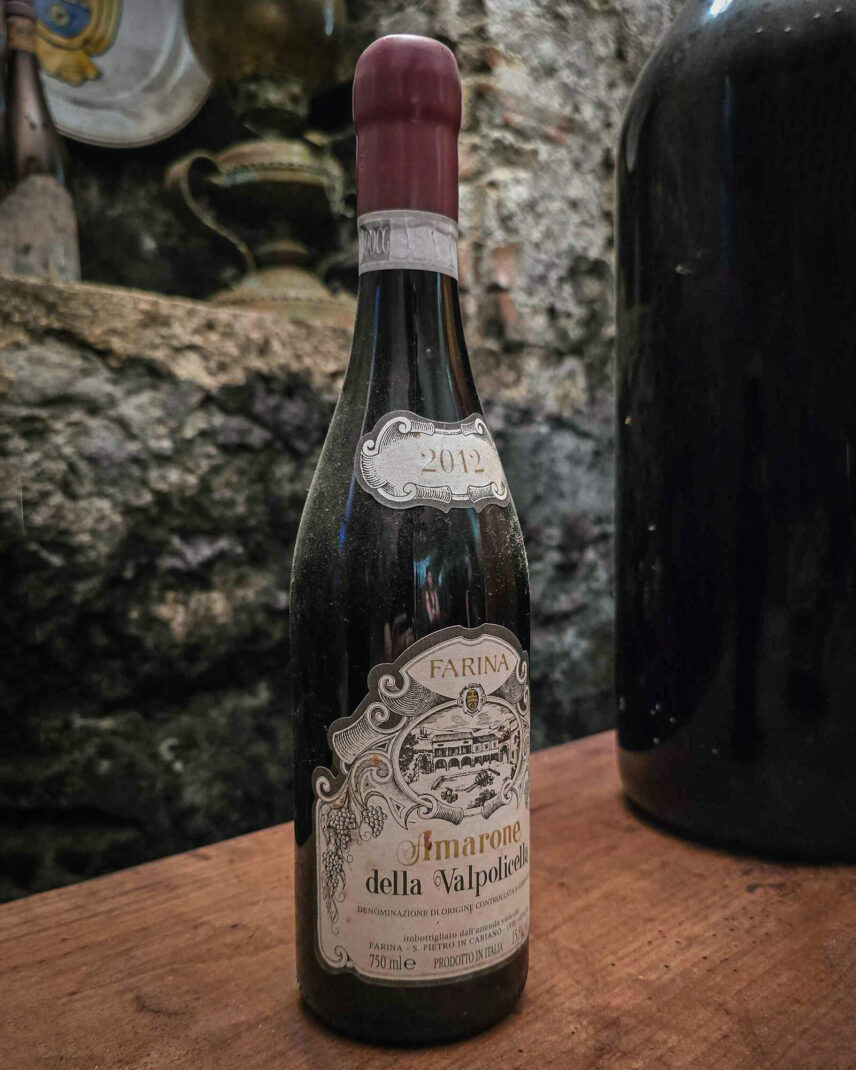
Next, he brought out a bottle with a deep red label, ornate with the cantina’s emblem.
I knew instantly: it was an Amarone.
Now, that was not my first encounter with this ruby red elixir of life, but it was the first time I was going to try it from this cantina.
I gave it a swirl, then felt the balmy notes of cocoa and cherry bless my palate. Sublime.
As I took another sip, Francesco told me about the inner workings it takes to produce this velvety wine: a meticulous process of drying, vinification, and maturation.
First, the grapes are dried for around 100 days (up to 120) in well spaced crates, while temperature, humidity, and water weight-loss are monitored meticulously.
Then they get destemmed, the berries crushed, and left on the skins in cold macerating for five days.
Naturally there’s more, but what stuck with me is how different the process was compared to the wines I had the pleasure of tasting earlier—way more complex, took longer, and required more attention.
I was fascinated, so I had to ask how they first invented it.
“By chance. In 1930, someone forgot a barrel of Recioto in a cellar, which made it ferment dry. It usually gets thrown away, but they decided to try and see what they can do with it.”
I was taken aback.
Instead of going the easy route, they dedicated time to something about to be discarded and made it one of Italy’s crown jewels in winemaking.
This stayed with me so much, it got me thinking about how relationships work the same.
When we give little time, thought, or effort to the people in our circles, we get bottles of Classico, or Superiore—all great, but lacking the depth and richness of a truly nurtured bond.
It goes without saying that we cannot dedicate our heart and soul to every single person: sometimes the Classicos and Superiores in our lives are exactly what we need, and there is nothing wrong with that.
I think however, that there is a special kind of beauty in a relationship we are ready to discard, only for it to be reborn into something meaningful and sincere because we decided, as some winemakers did long ago, to try and see where it would lead us.
If you are in a similar situation and feel like trying again with someone you were reluctant to let go of in the first place, there is a chance that this time you will find more layers and new textures to discover, but that is precisely what could make this newfound relationship as rich as a glass of exquisite Amarone.