

This story originally appeared on the Gents Cafe Newsletter. You can subscribe here.
My own introduction to opera was not, at first glance, a particularly auspicious one: a recital of Handel’s arias in a provincial library in leafy southern England. My ticket cost less than £6, and yet after an hour of the greatest hits from Giulio Cesare, Tamerlano, and Semele I found myself drawn to this strange, rich, and powerful new world.
This almost accidental interest came as a welcome surprise to me, for opera has no shortage of image issues. Confusing, screechy, snobbish—high art for high society. It wasn’t until I began setting aside a few hours to listen to operas all the way through (ENO produces some fantastic offerings in English for those concerned about a language barrier) that I first felt the thrill, the depth of emotion that opera is able to convey, when poetry is bought to an audience with a full orchestra and the skill of some of the greatest performers in the world.
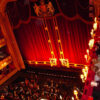
Opera isn’t like watching anything else—including musical theatre, its most popular modern relative. In combining incredible music with emotive and dramatic storytelling, opera allows you to see in the audience around you the same emotion that rippled through the opera houses of 18th century Europe, to laugh at the same jokes that Tolstoy and Wilde (both keen opera lovers) and countless millions have laughed at, to weep as Puccini did, in his study, on the completion of the final bars of La Bohème. It is to truly realise a kinship with the past, when stuck in your own head is a tune that has been hummed at the desks and workbenches of countless others for hundreds of years.
To reduce the thrill of the great operatic works to a novelty of history, however, is to consign eternal beauty to a dusty museum corner—opera is wildly political and constantly evolving. Napoleon himself referred to Mozart’s The Marriage of Figaro as “the French revolution on the march”, inspired as it was by Pierre Beaumarchais’ play of the same name—banned for inciting tension between the classes with its clear revolutionary message. Opera has acted as a revolutionary rallying cry, has mocked the powerful and satirised the great, and continues to interrogate themes of social justice today. It would be remiss of me not to mention opera’s chequered past in this vein—famously, almost all transgressive (often independent, freethinking, or sexually liberated) women characters die at the end of tragedies well into the 20th century; they could be granted as much power and agency as they can take, but the societies in which they were performed would never allow them to survive the curtain. Like all art forms, opera stands as a testament to our changing ideals and beliefs, as well as the ways that power can be challenged from centre-stage.
With productions to suit every taste, with pieces to suit every emotion, from the dramatic, heroic epics of Wagner to the heartbreaking tragedies of Verdi, from the light-hearted to the solemn, I promise there is an opera waiting for you—and a greater opportunity to access opera now more than ever before. So have a look and see if there’s anything near you—a live opera can be a rare opportunity for a dinner jacket (though many opera houses have very little by way of dress code, with audiences in everything from t-shirts to tailoring) and a thrilling cultural and emotional experience to boot. Perhaps if you have a spare evening this week then settle down, pour a good drink, and spend a few calm hours in the presence of greatness.


