


This story originally appeared on the Gents Cafe Newsletter. You can subscribe here.
This urban exploration was made together with Gaggia, Blundstone, Squale and Ripa Ripa. Brands that, like us, believe in doing things slowly, beautifully, and with purpose.
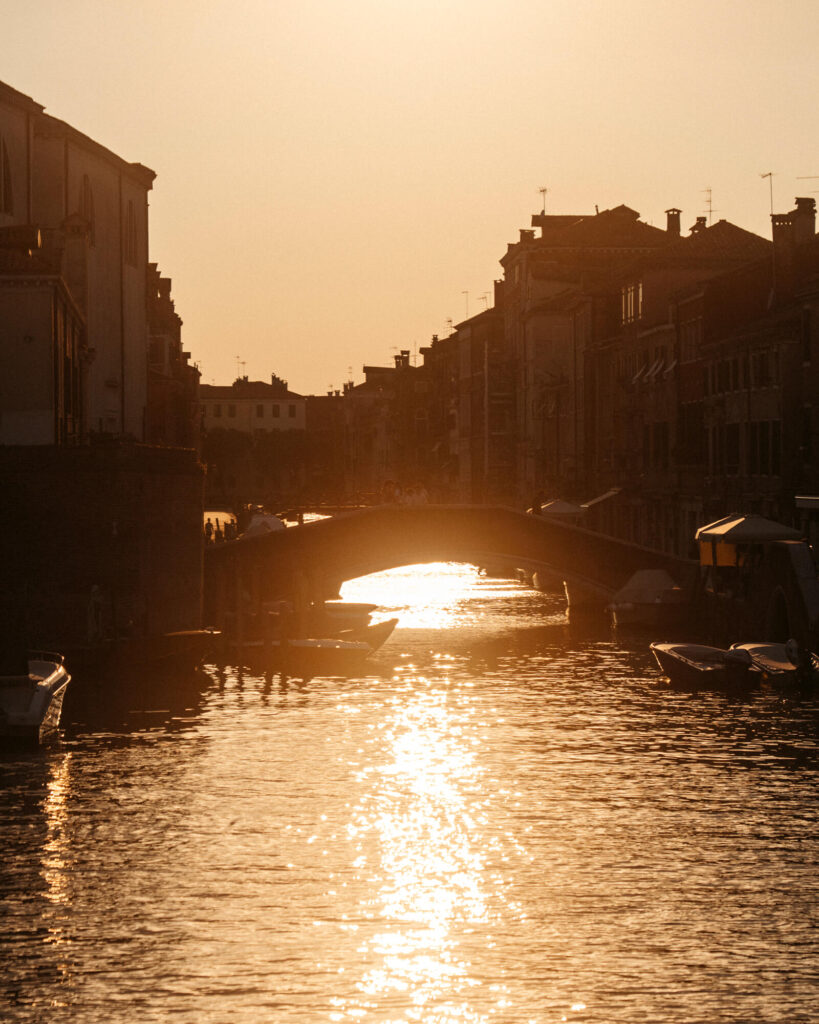
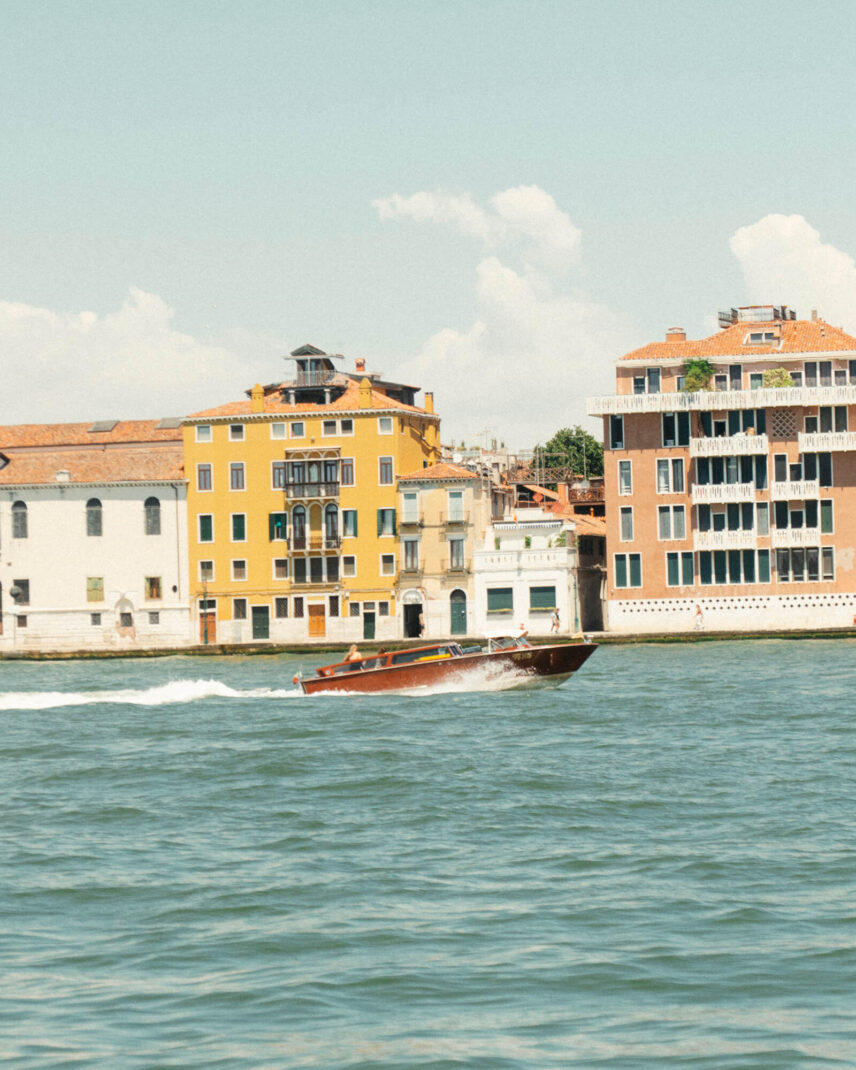
For this summer’s Two Unhurried Days, we surrendered to the captivating spell of Venice—a city where time doesn’t just slow down, it changes nature entirely.
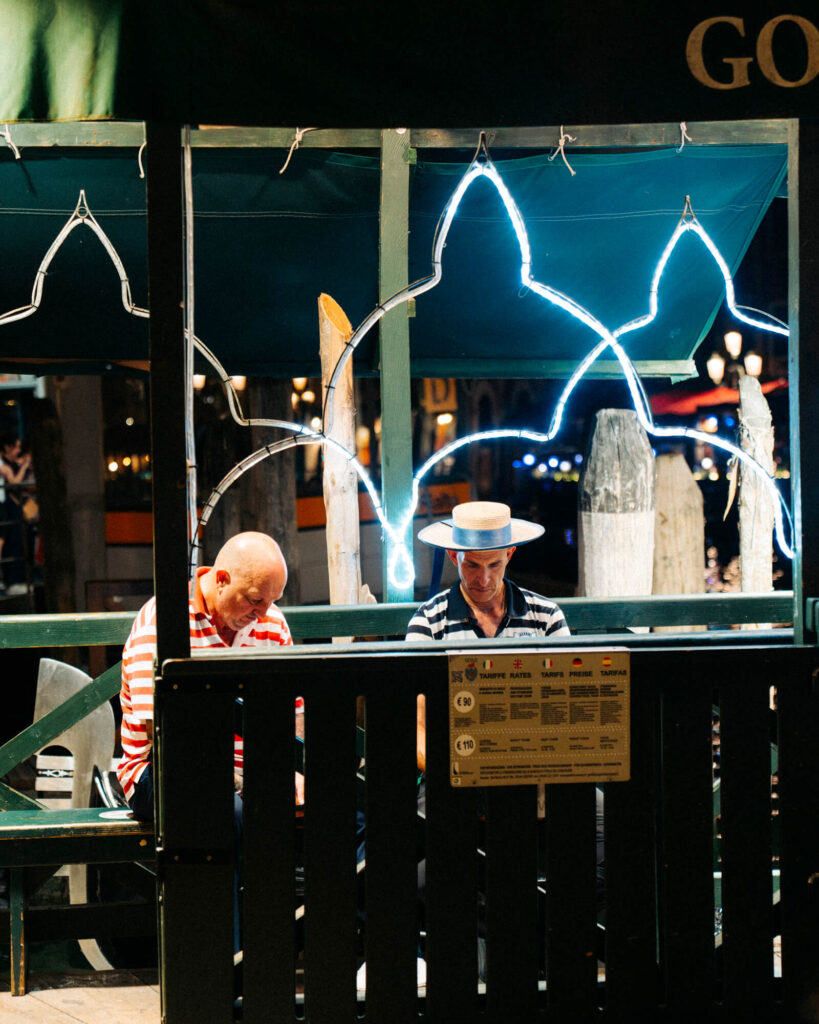
Day 1 was all about easing into the city’s unhurried tempo: playing cards on quiet benches, losing ourselves among secluded calli (narrow alleyways) and sun-dappled fondamente (canalside streets), and closing the night with an extraordinary culinary journey celebrating contemporary Venetian flavors.
But our time in Venice was far from over. For Day 2, we dived straight into a hands-on taste of a timeless—yet slowly disappearing—local tradition: Venetian rowing.
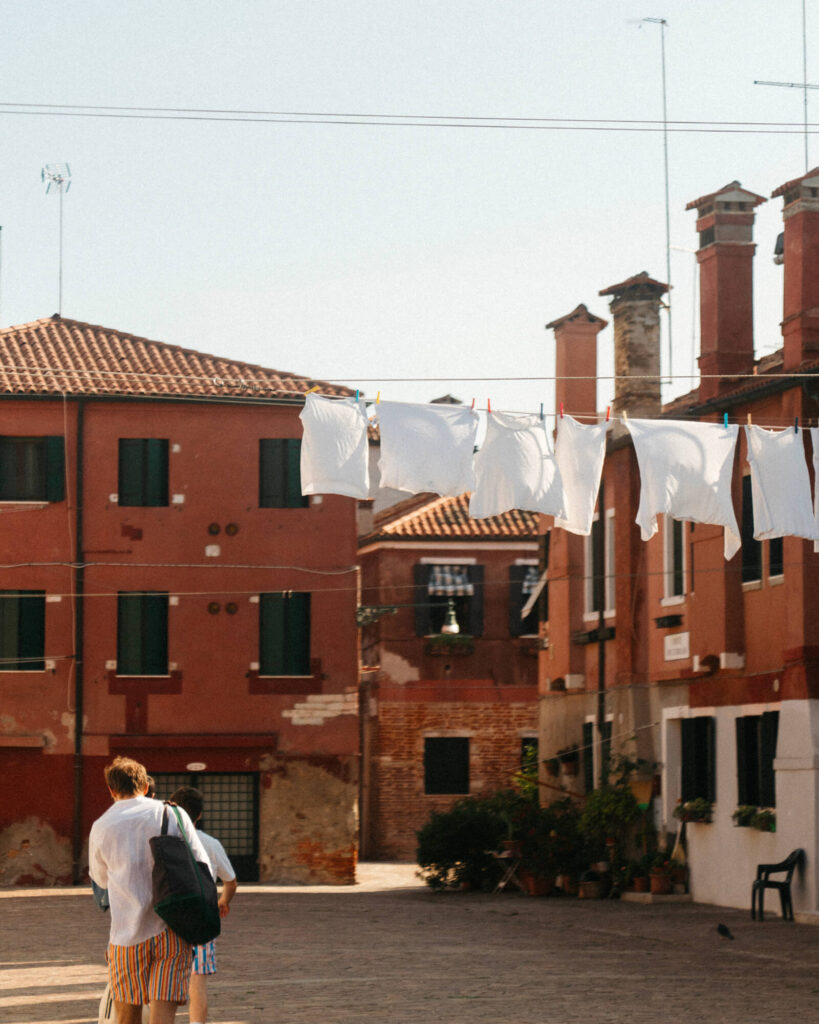
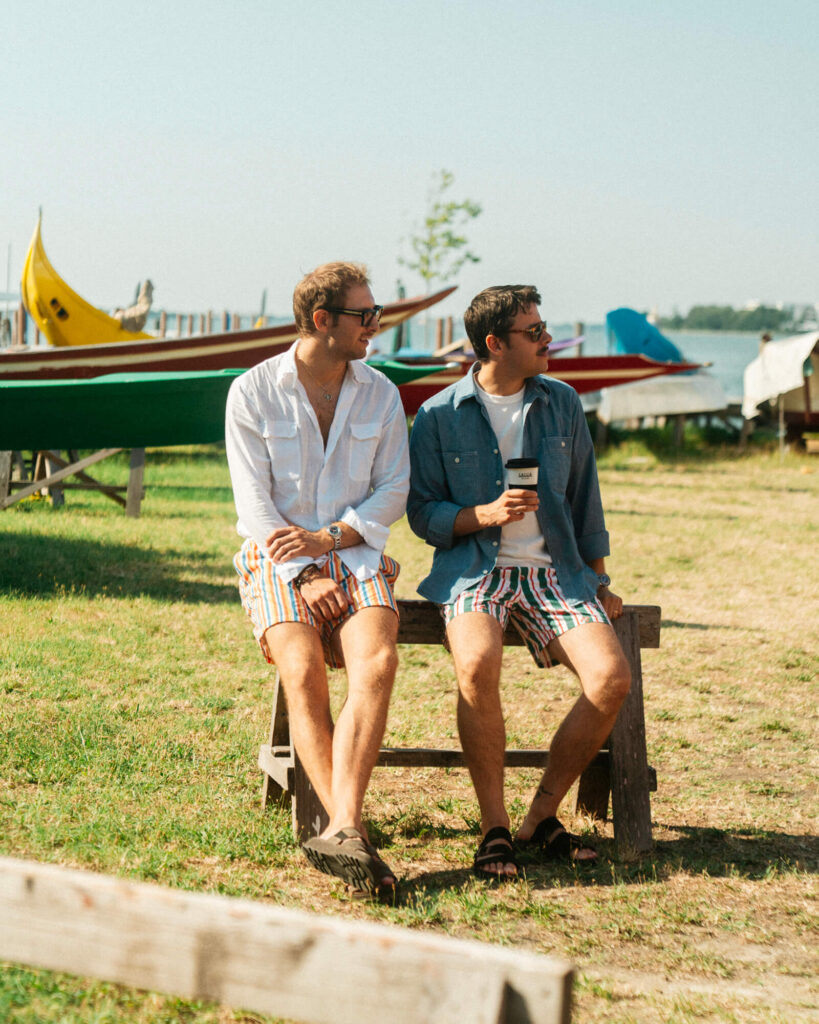
Our alarm went off early, and we quickly got up, slipped into our swim trunks—we sure would be on a boat, but we couldn’t guarantee we wouldn’t also end up overboard—and walked the short distance to the club.
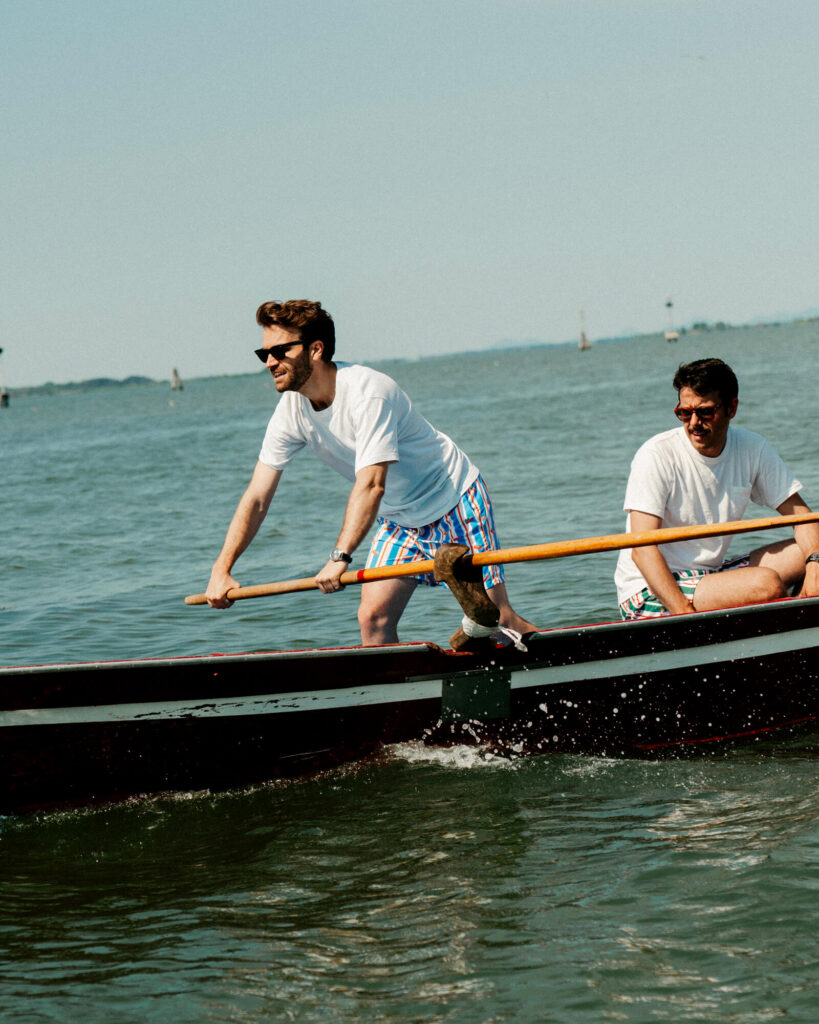
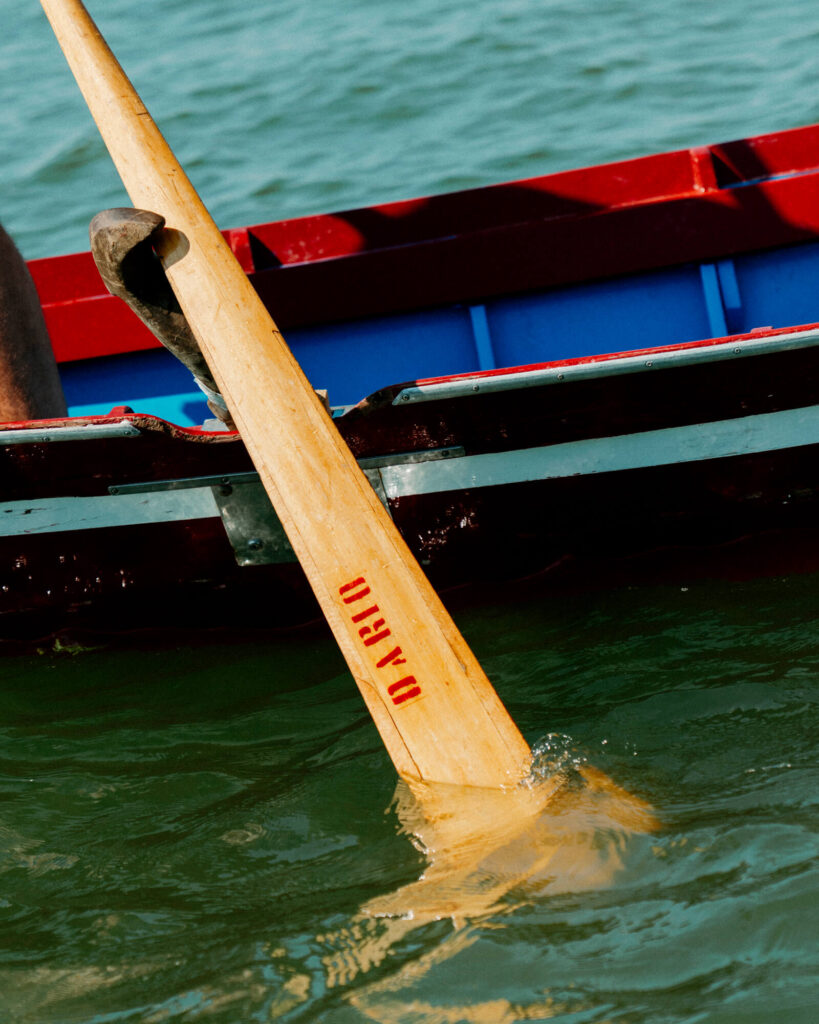
Hidden behind an unassuming home on the southern side of the island, Canottieri Giudecca is one of the places where the local styles of voga—rowing—still endure: there’s voga veneta, where rowers have one oar each, and voga valesana, where a single rower leads a small boat by skillfully maneuvering two crossed oars.
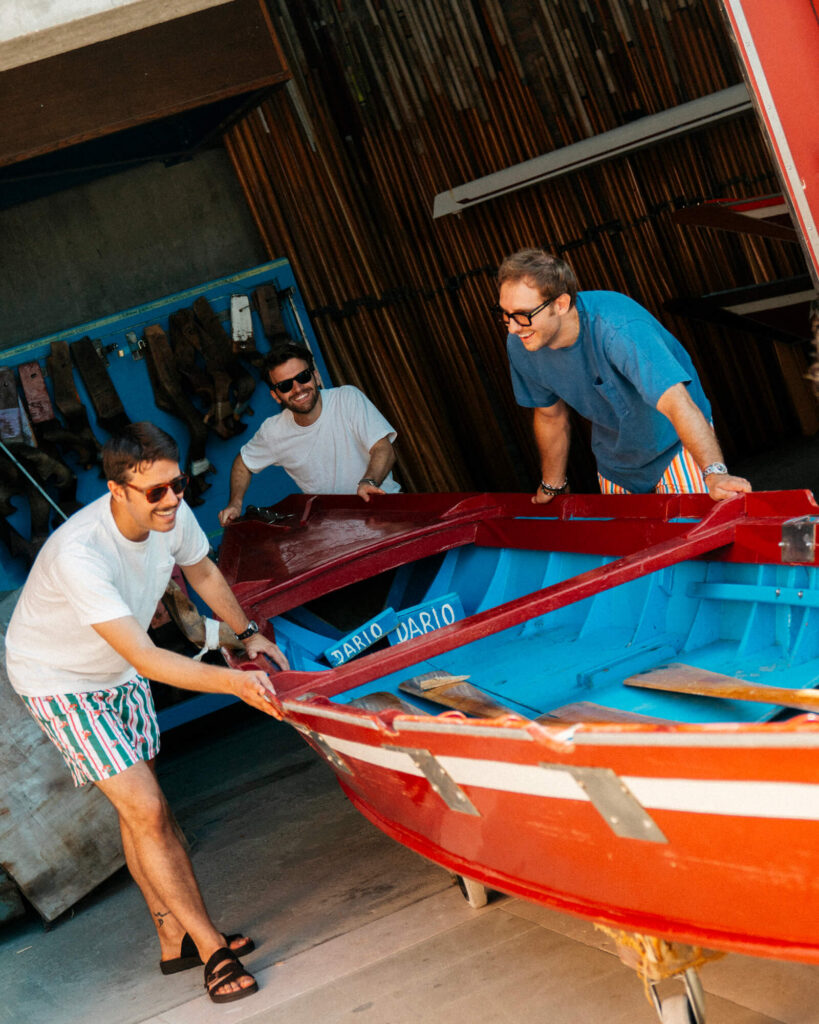
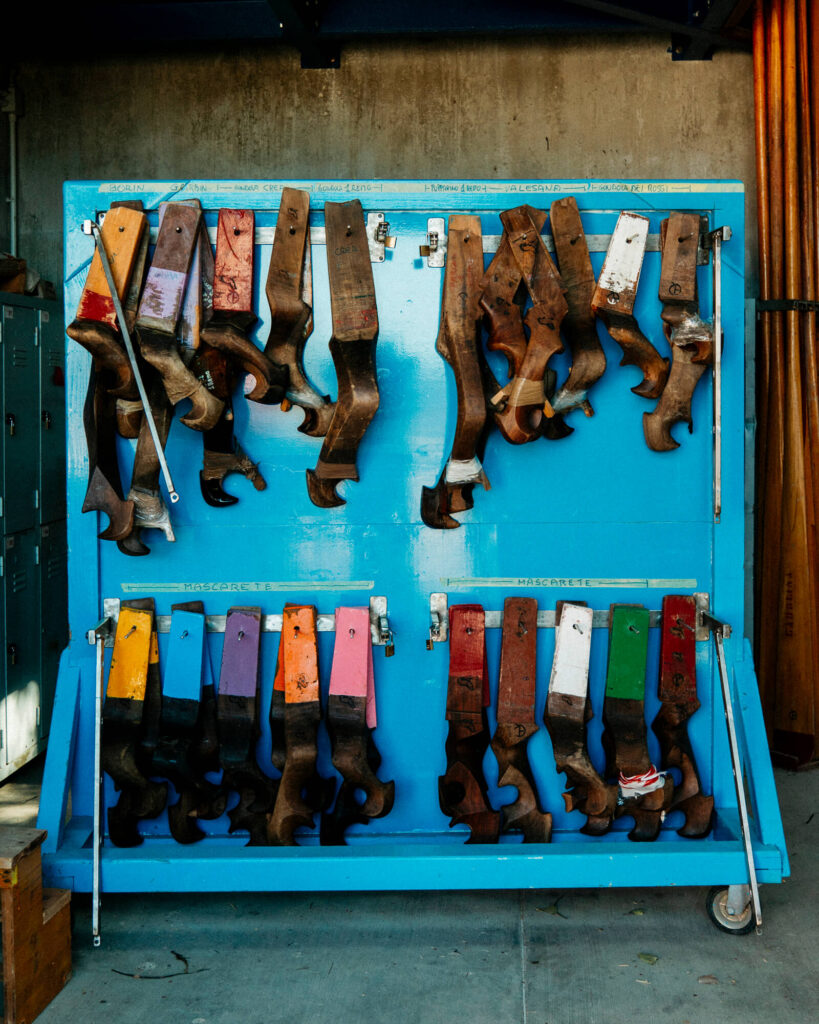
Knowing full well that the second specialty was way out of our league, we settled for the first, and after a quick theoretical lesson we hopped on a small sandolo helmed by a talented young club member who had just finished a training session. His regatta partner followed us on a second hull, keeping two more eyes on our clumsy attempts at the oar just in case.
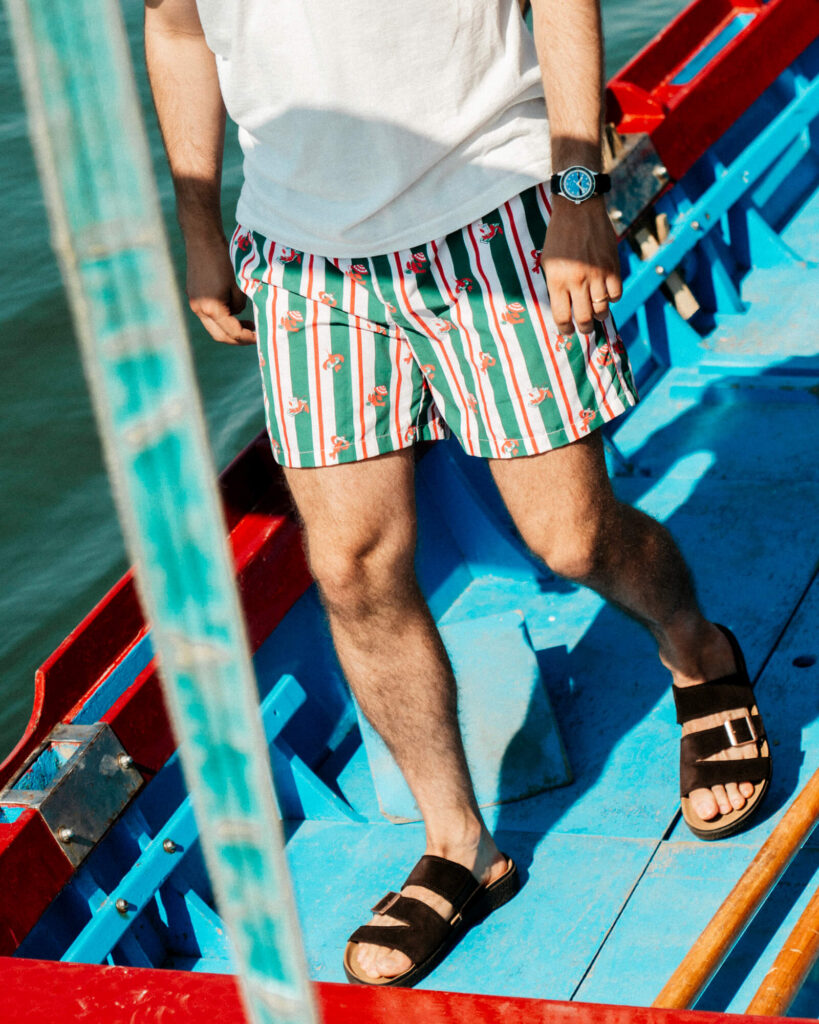
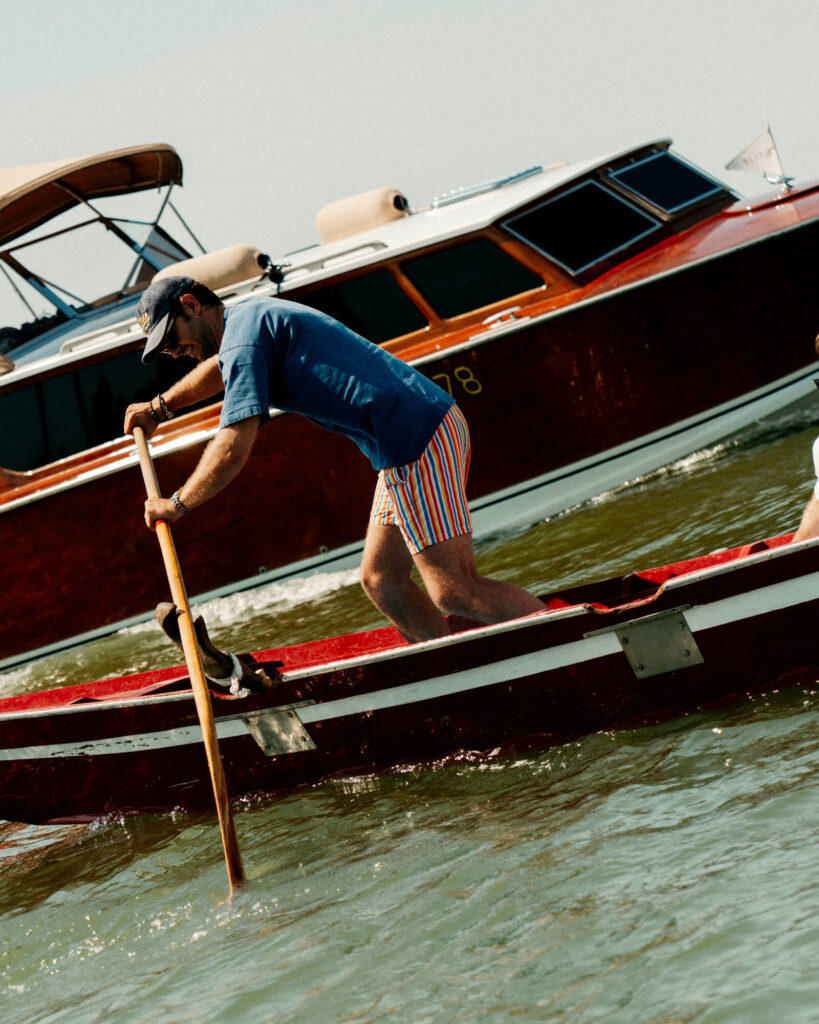
Now, we all agreed that the sport turned out to be less difficult than it appeared at first; at the same time, however, our two instructors were certainly being too kind when they told each one of us “you’re not too bad for a beginner”.
Anyways, should we want to persevere and improve our skills, we found out that one of Milan’s rowing clubs also practices voga veneta along the Navigli: maybe we will enroll?
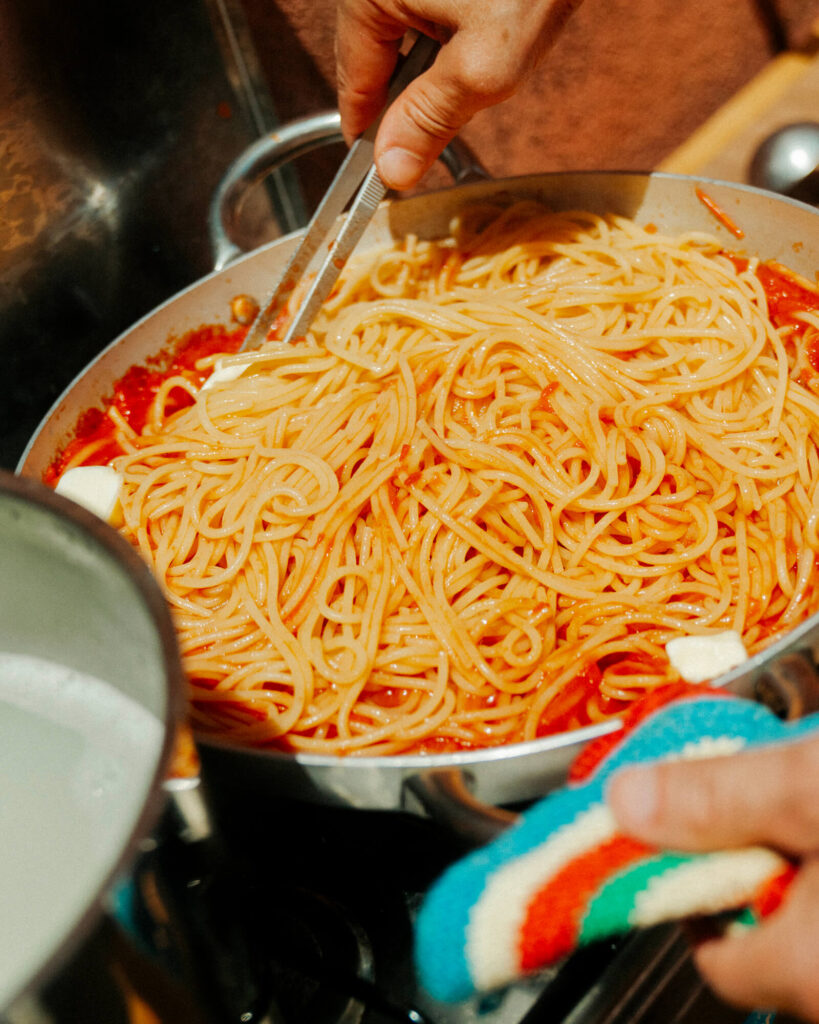
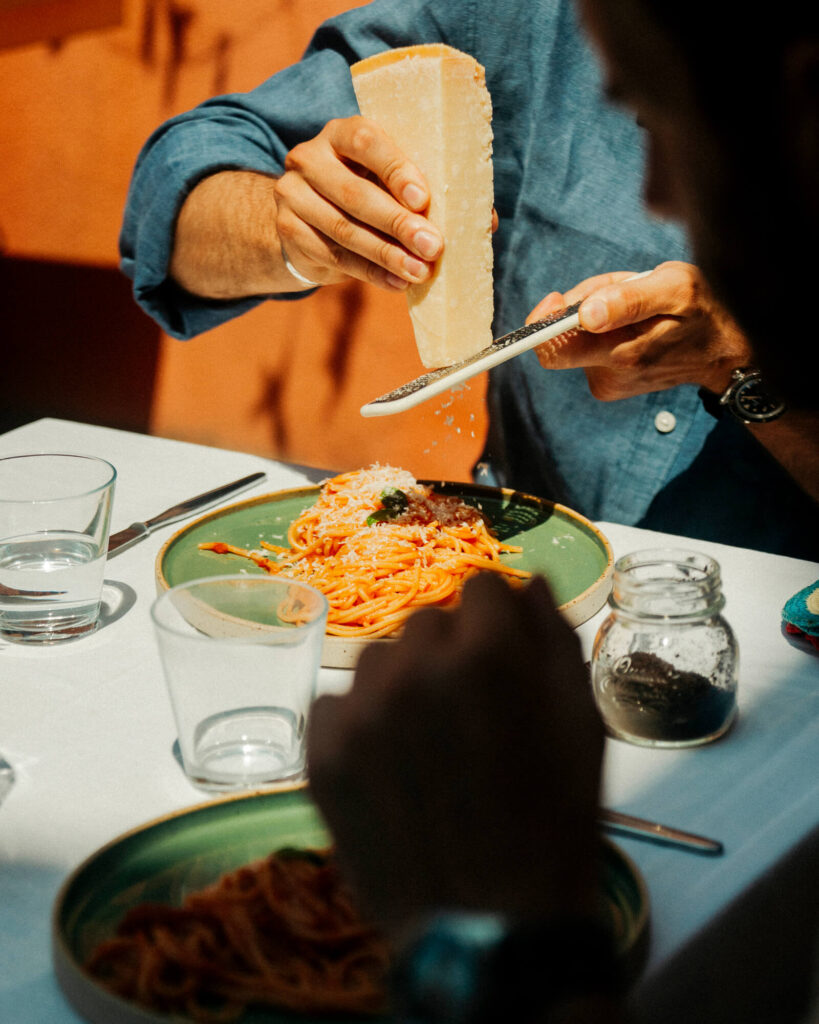
Another thing we agreed on is that rowing makes you hungry: as we had spent the whole morning on the boat, we decided to head back home for lunch and treat ourselves to the greatest Italian comfort food: spaghetti al pomodoro, covered in a generous dose of Parmesan cheese and topped with fresh basil leaves picked right while we were cooking the pasta.
Because sometimes, after all, the simpler the better.
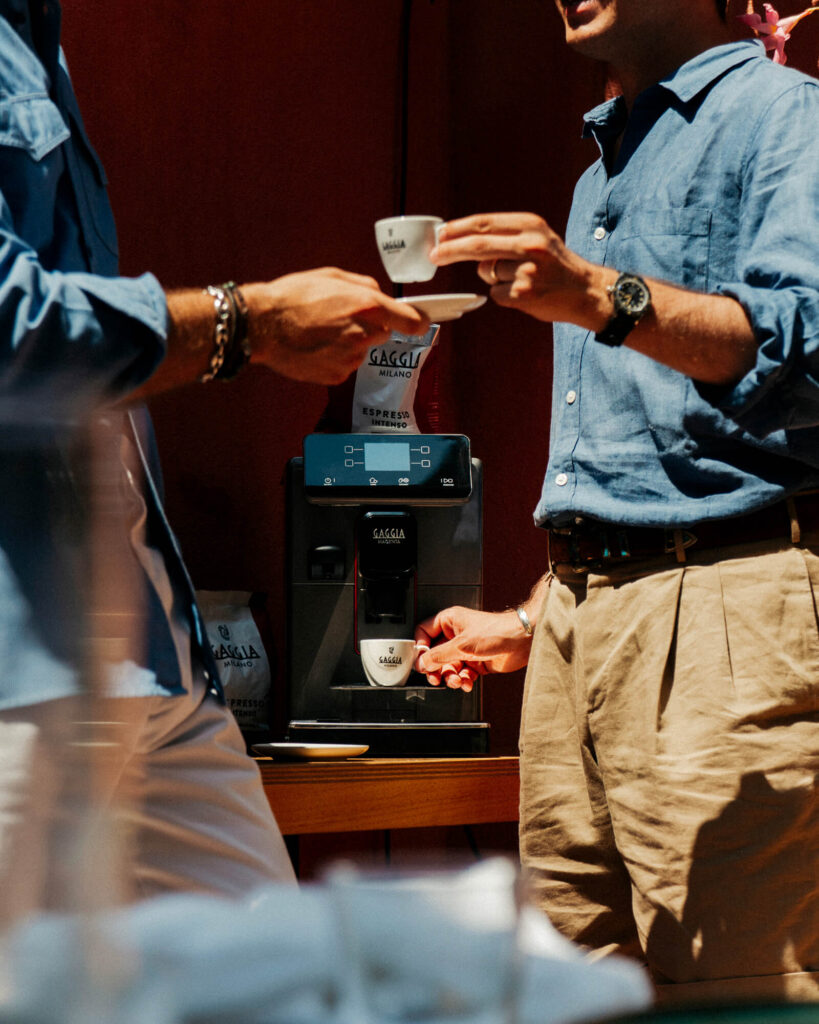
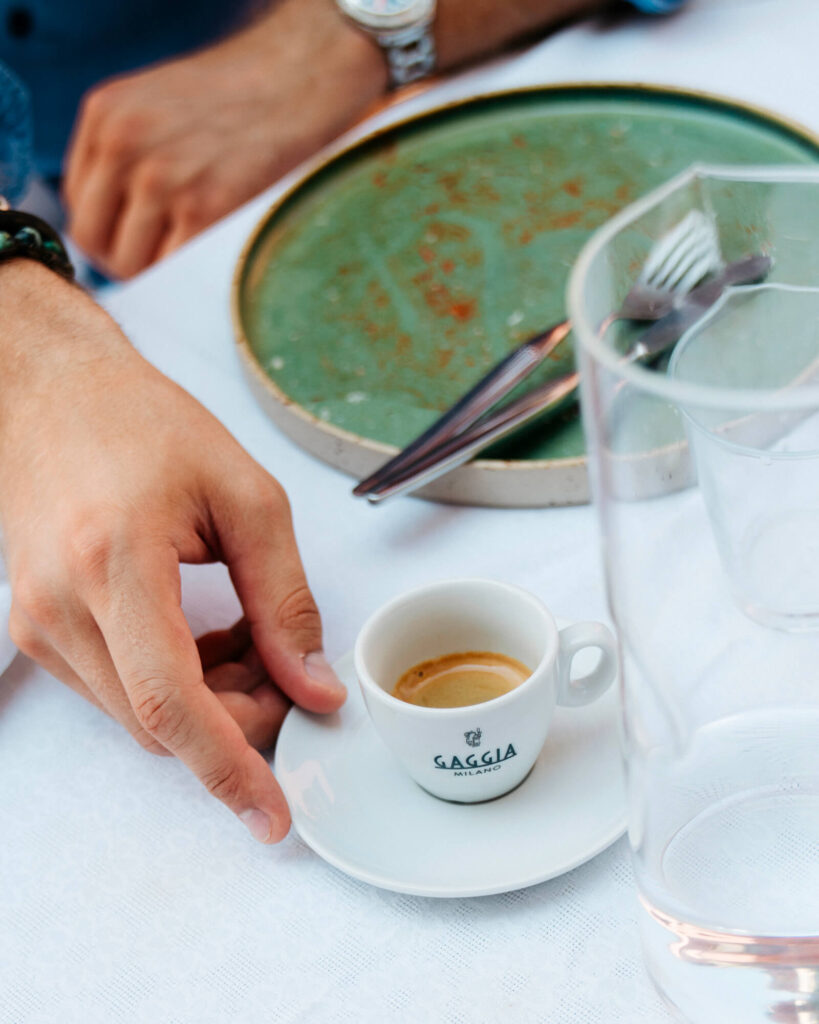
As we sipped our coffee after lunch, we got ready to cross the entire city yet another time and reach a hidden gem we were all eager to discover: Cameraphoto Epoche.
Just like the name might suggest, the place has to do with photography, although in an unexpected way: Cameraphoto was a photojournalism agency founded in Venice in 1946, active throughout the late 1980s.
As the leading agency in town, its reporters covered all major events for more than four decades, creating an invaluable archive of about three hundred thousand images spanning fashion runways, art exhibitions, the Film Festival and remarkable scenes of daily life.
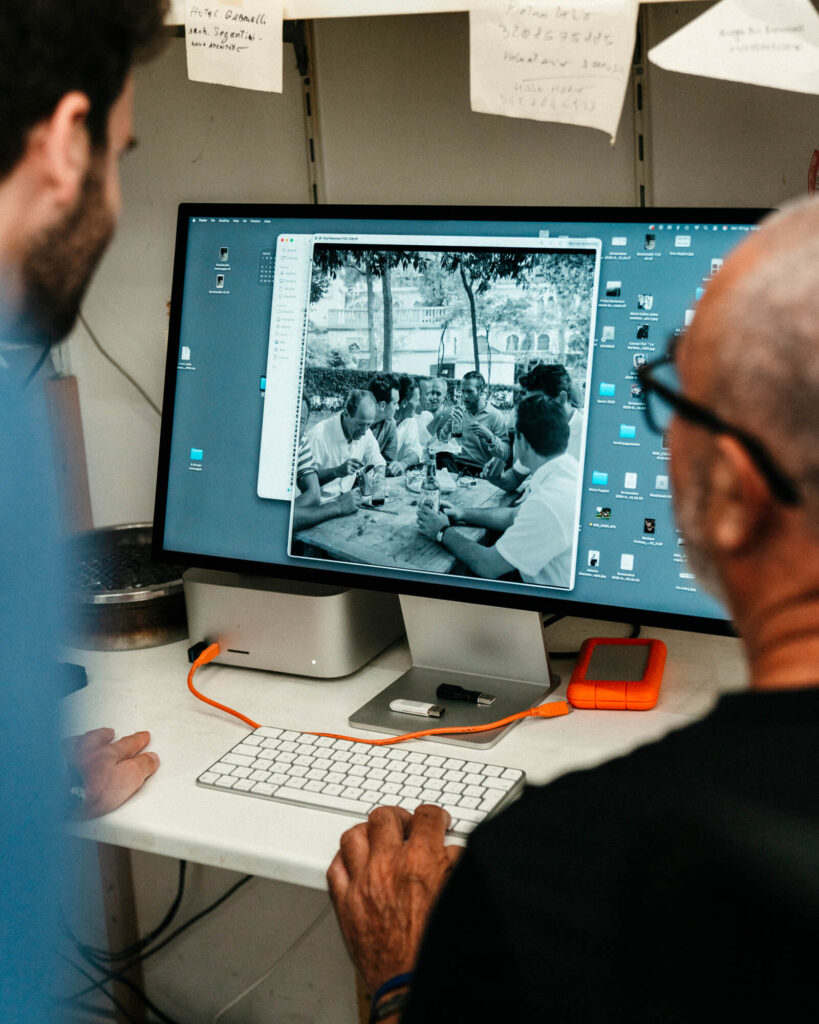
Think of any black and white photo of Venice you’ve seen online, and there’s a good chance its original film negative resides in the extensive archive now lovingly curated by Vittorio Pavan, one of the original Cameraphoto reporters, who acquired the collection and set himself the admittedly impossible goal of digitalising all images: almost ten years in, he’s barely scratched the fifty-thousand mark, but doesn’t plan to stop any time soon.
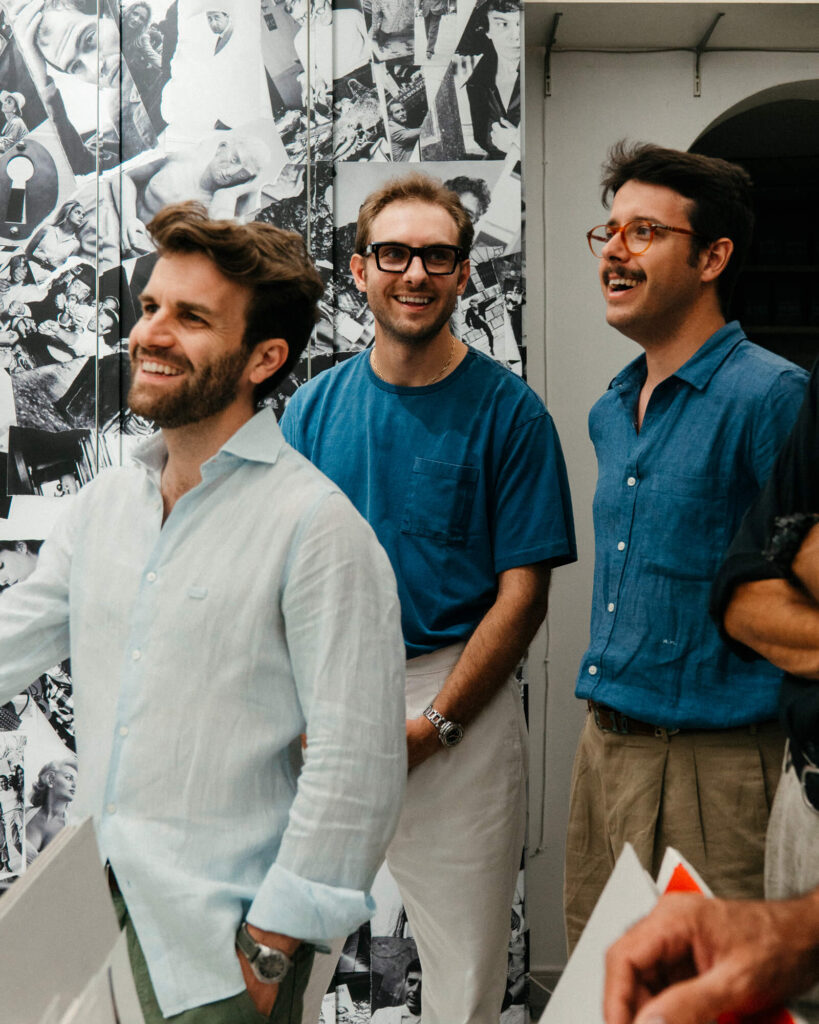
When we entered the store and started looking around at the printed photos, we knew we were in for a few surprises. We just hadn’t understood how big those surprises were going to be.
Now, keep in mind that Vittorio—and even more so his older colleagues—worked in an era where celebrities were not yet off-limits as they are today. Movie stars coming to Venice for the Film Festival would walk around like regular people, writers were happy to be joined by photographers on their boat rides, and world-class artists hung out at the Biennale in the most casual way.
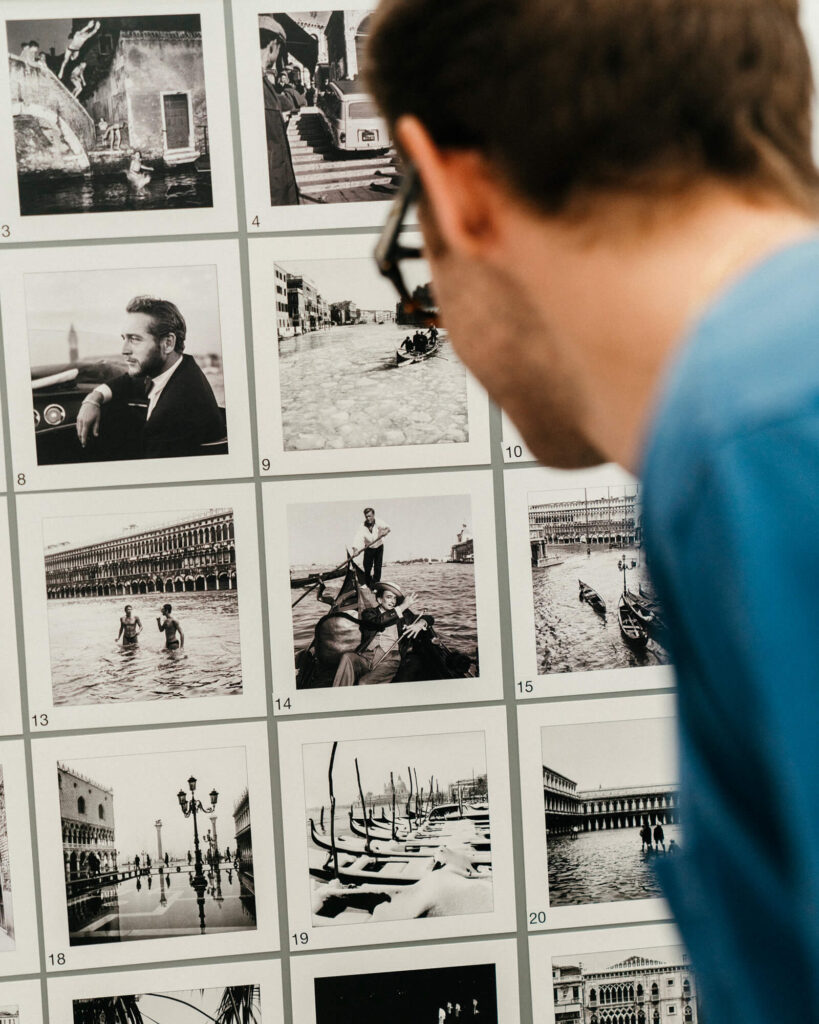
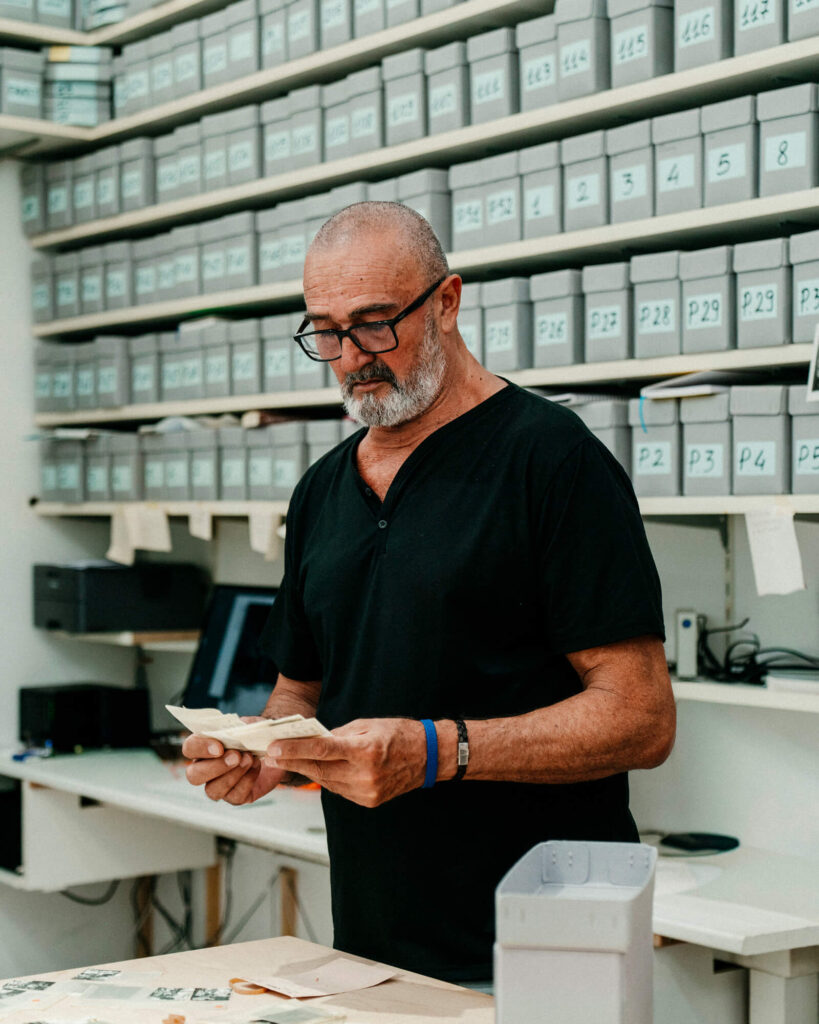
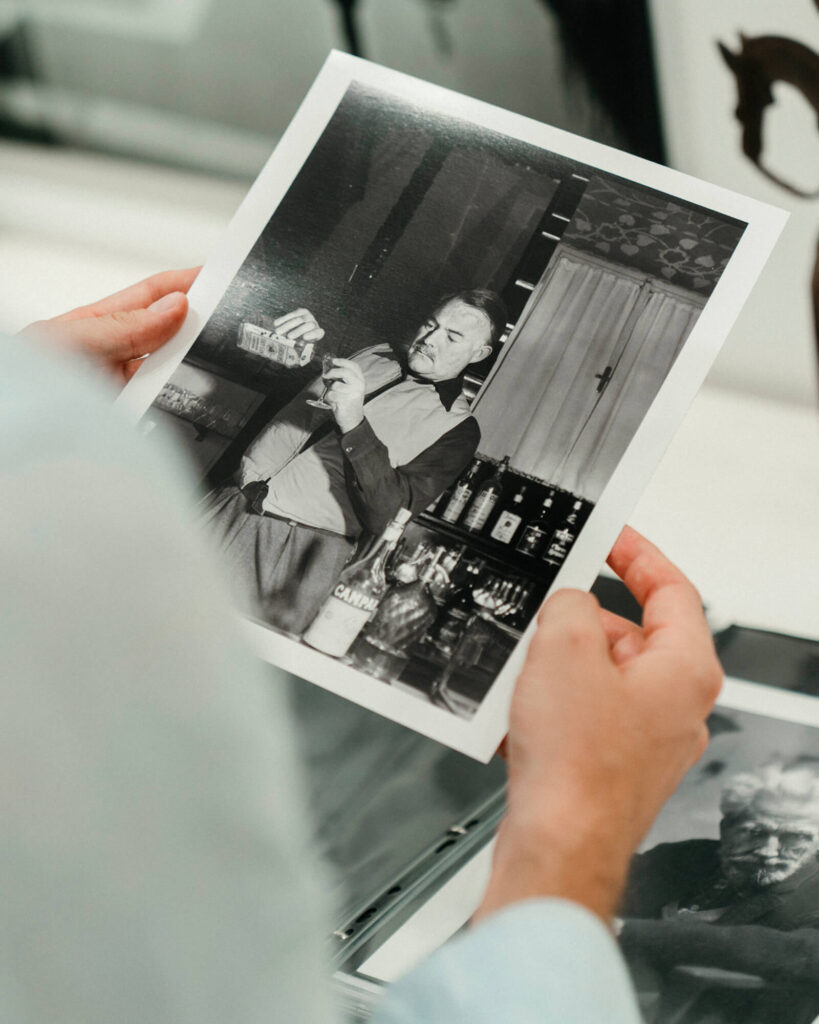
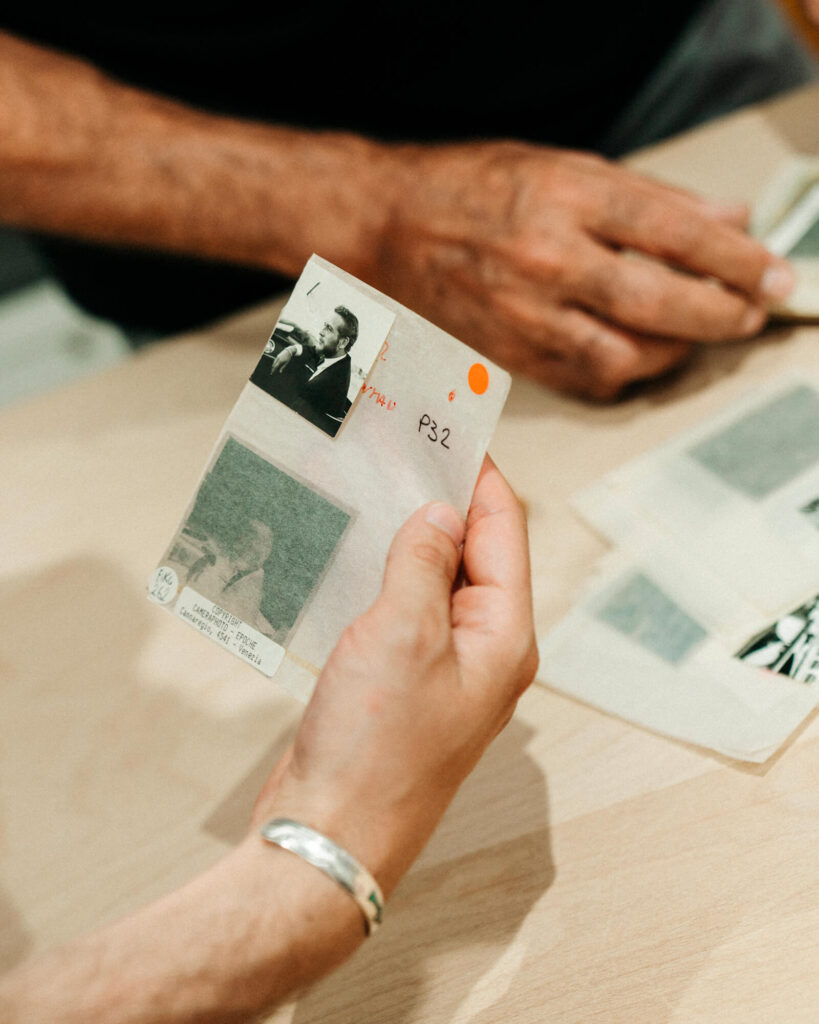
And that’s how some of the agency’s greatest shots came to be: as we peeked at the negatives that Vittorio kindly pulled out of his neatly ordered boxes for us, we started seeing Salvador Dalí on a gondola ride, Giorgio de Chirico cooking a meal in his private kitchen, Ernest Hemingway pouring himself a Martini, until we eventually got to the holiest of grails.
“That” photo of Paul Newman, with a beard and tuxedo, riding a wooden boat in front of Piazza San Marco.
An image we all had seen countless times on Instagram, of which we were now holding the original: yes, our hands were shaking a little.
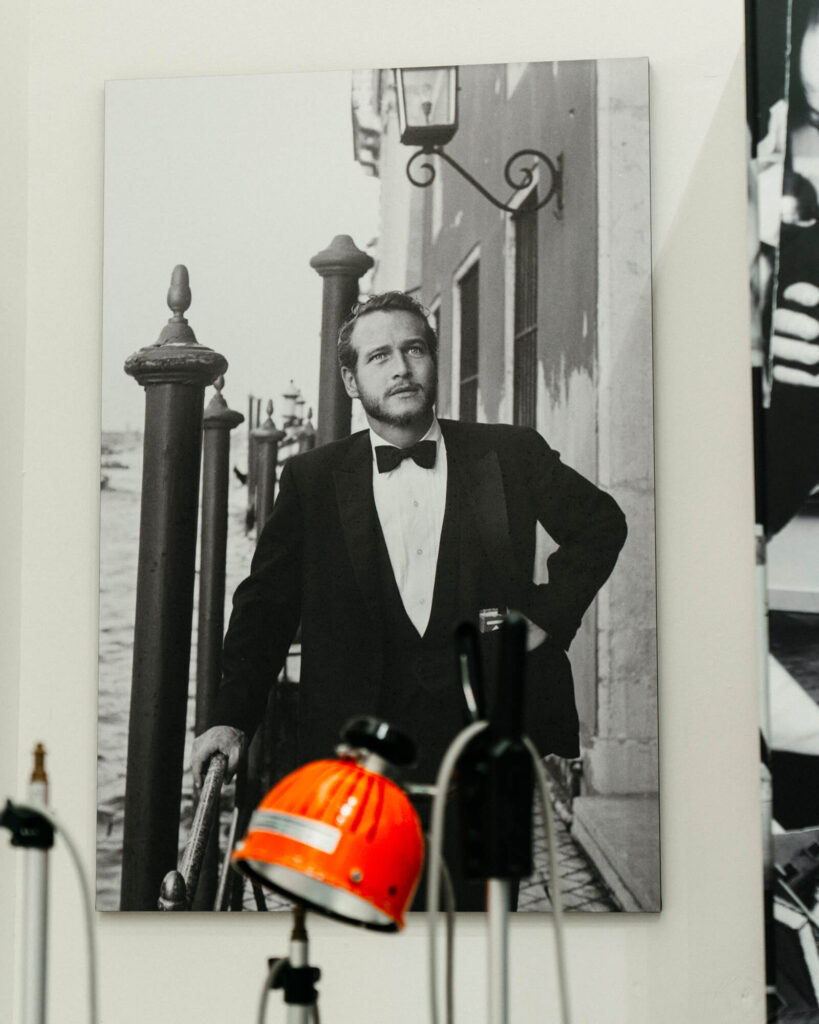
The best thing about Vittorio and his enterprise is that all photos from the archive can be purchased in the form of a high-quality art print, expressly printed in your desired format.
We certainly couldn’t refrain from getting some for ourselves: Carlo chose an intimate snapshot of Paul Newman enjoying a glass of wine with the waiters of Hotel Excelsior, while Alvise opted for a photo of Hemingway hunting in the lagoon, rifle in hand.
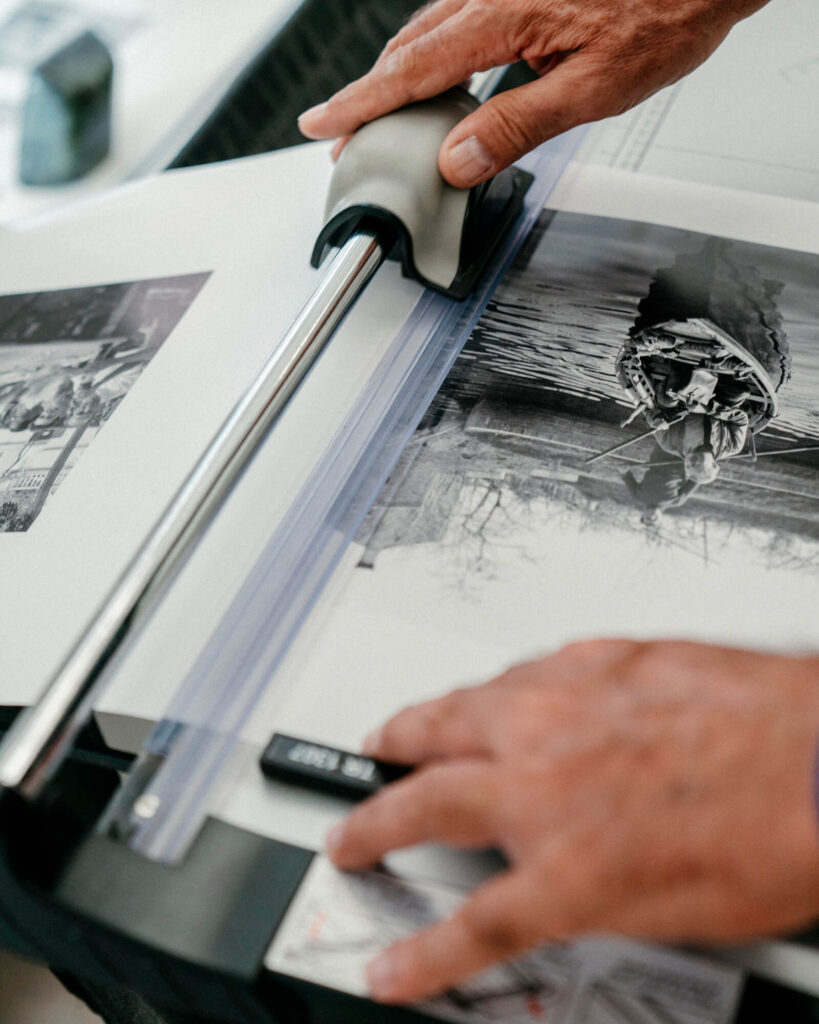
With this haul safely rolled up in a cardboard tube, and a sense of nostalgia for an era we never witnessed, we had to accept our time together was once again drawing to a close.
It was time to hop on one final waterbus ride, pick up our bags and head back to the train station, where we had arrived a mere forty-eight hours prior. With many fresh memories to treasure, many miles in our feet, and an unexpected intention to take up rowing, we glanced one final time at the timeless beauty of the city, and waving goodbye felt a bit like the tide going down.
But as you learn if you spend just enough time in Venice, after going down the tide always rises back up; and the next time around, it will bring us on another unhurried adventure together!