




This story originally appeared on the Gents Cafe Newsletter. You can subscribe here.
This urban exploration was made together with Gaggia, Blundstone and Squale. Brands that, like us, believe in doing things slowly, beautifully, and with purpose.
In some places, life changes pace. In a few, special ones, it’s not just the pace that changes, but the very concept of how life is lived. This difference is generally quite easy to grasp after setting foot in a new city, but it’s hard to think of one where it gets more obvious than in Venice.
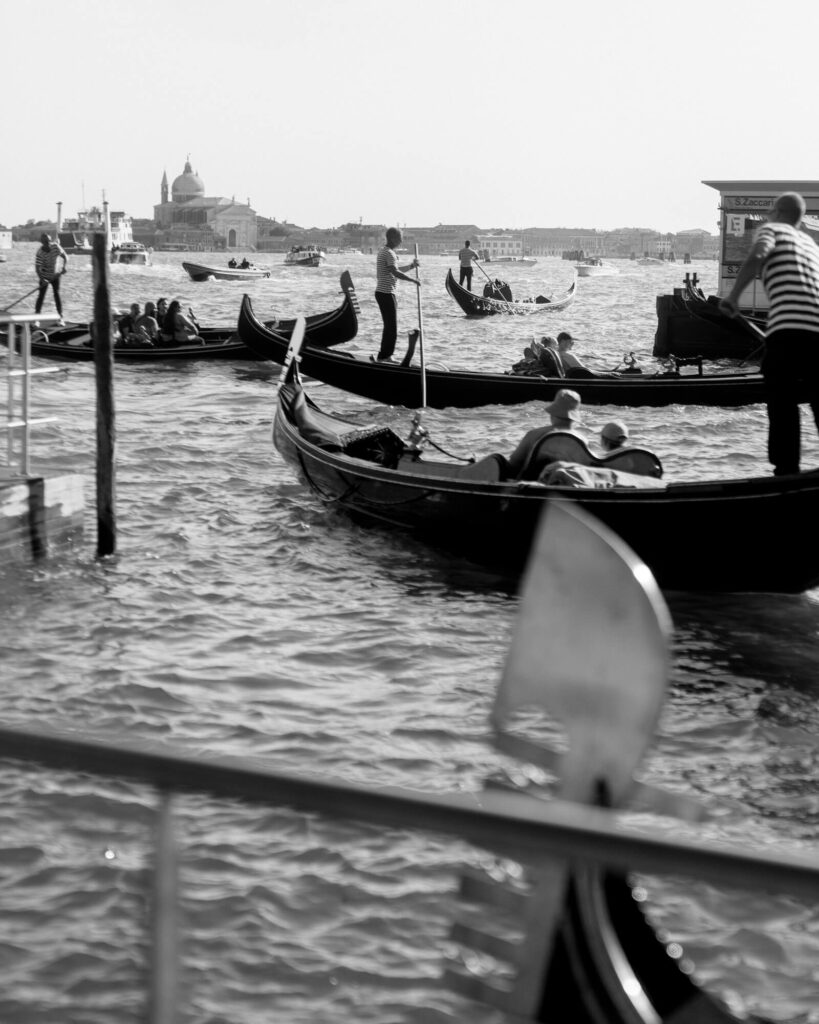
Regardless of how many times you’ve been there, the exact moment you walk into the city and see canals, bridges and boats where your mind expects roads, traffic lights and cars, it is suddenly evident that you’re up for a unique experience.
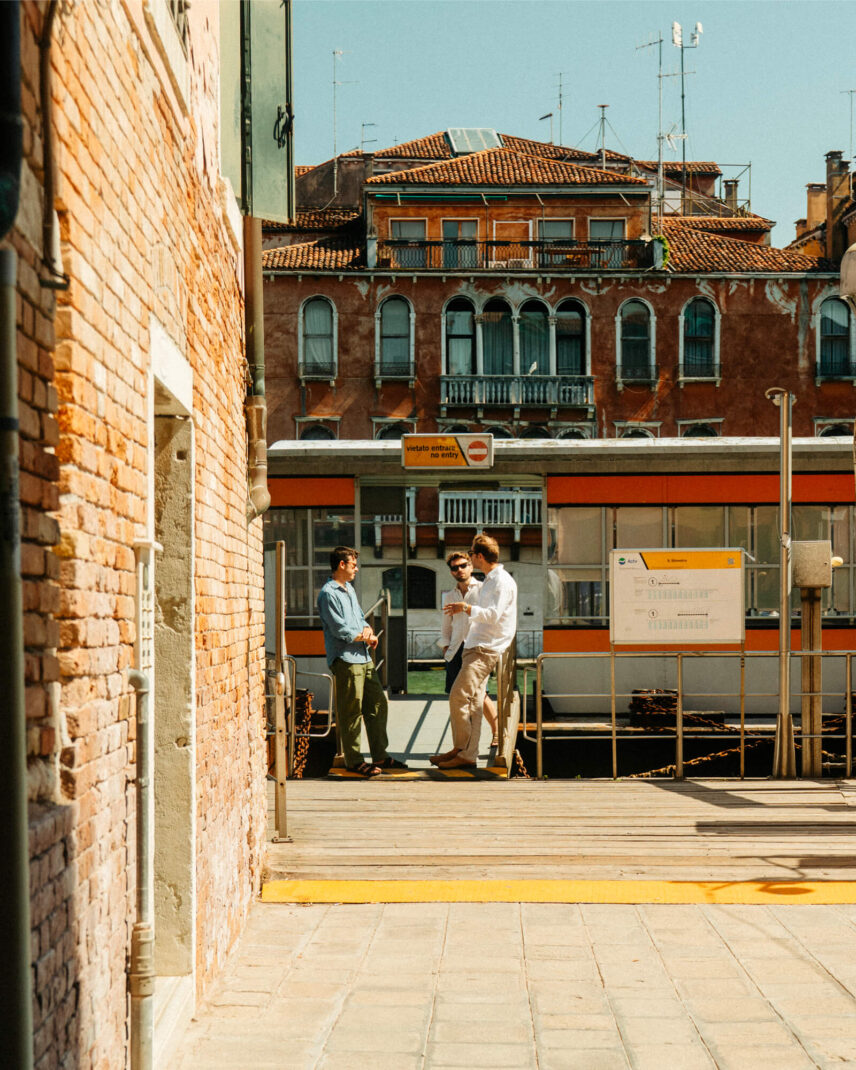
We were not exempt from this realization. In fact, as we walked out of the train station towards the waterbus stop—escorted by fast-walking locals, wandering tourists, and menacing seagulls—we were looking forward to what awaited us in the timeless city.
Venice was the place we chose for our Summer’s Two Unhurried Days, where we were joined by our friend and community member Carlo.
The city is also especially dear to Alvise, who studied there and happens to have relatives living there, too. Needless to say, he’d already been briefed to be our tour guide and, where needed, translator from the local dialect for the next forty-eight hours.
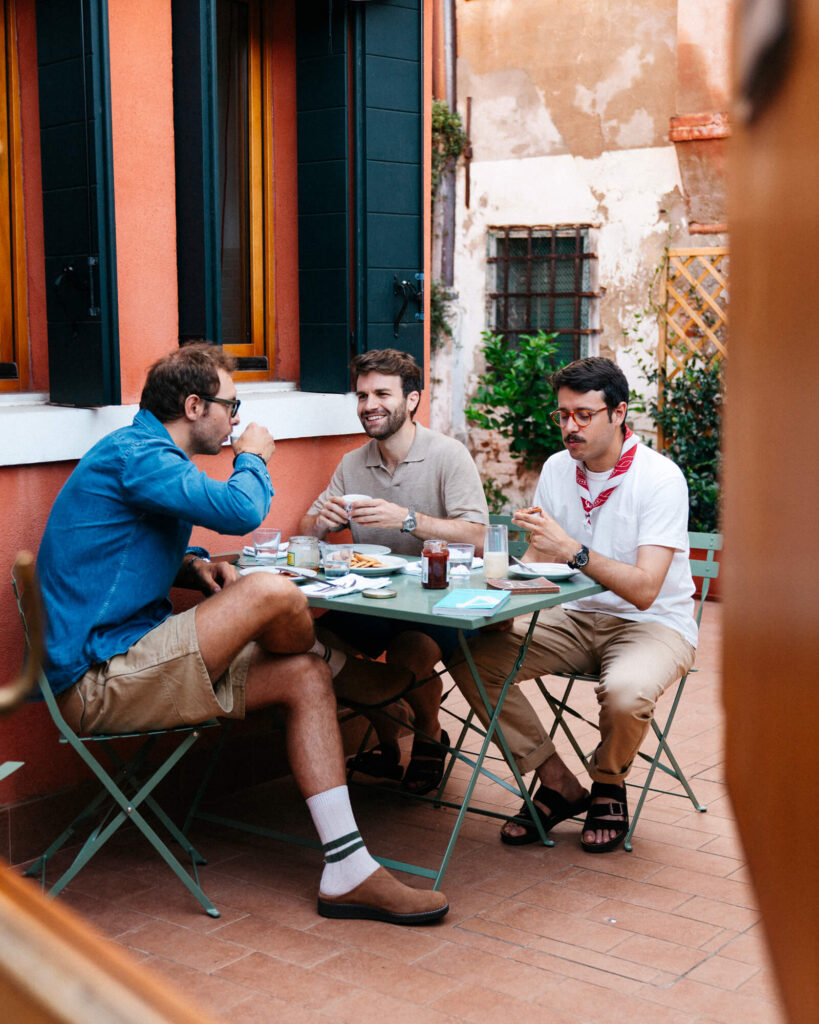
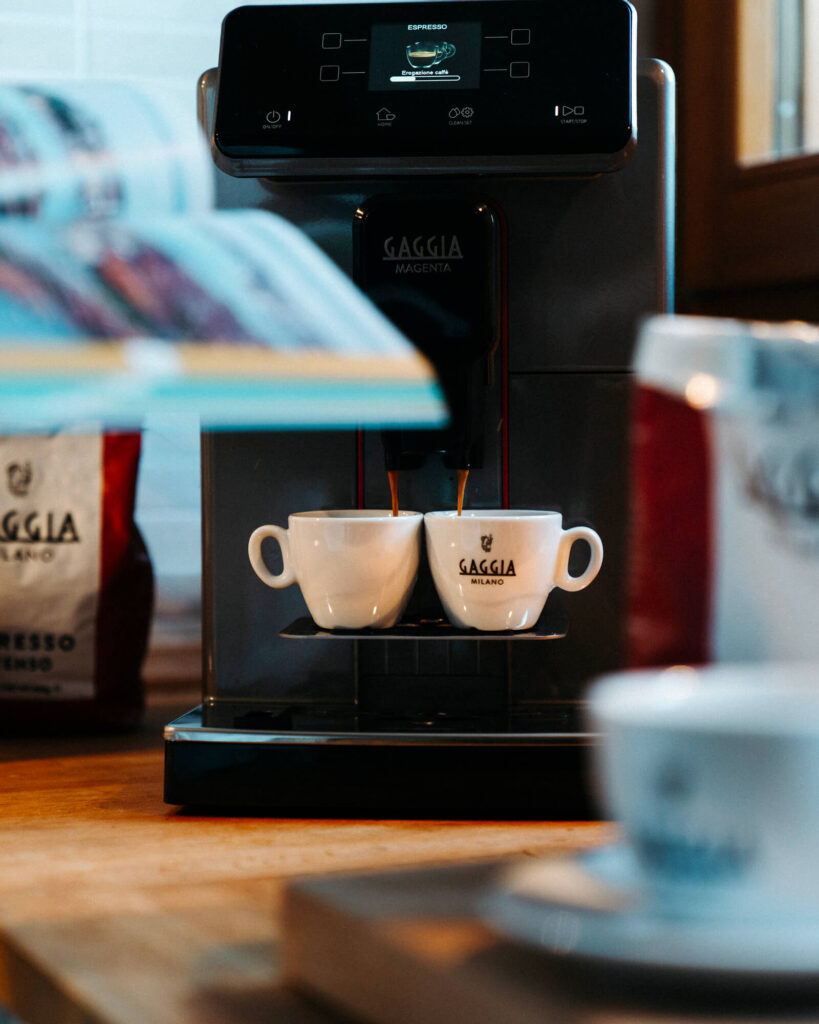
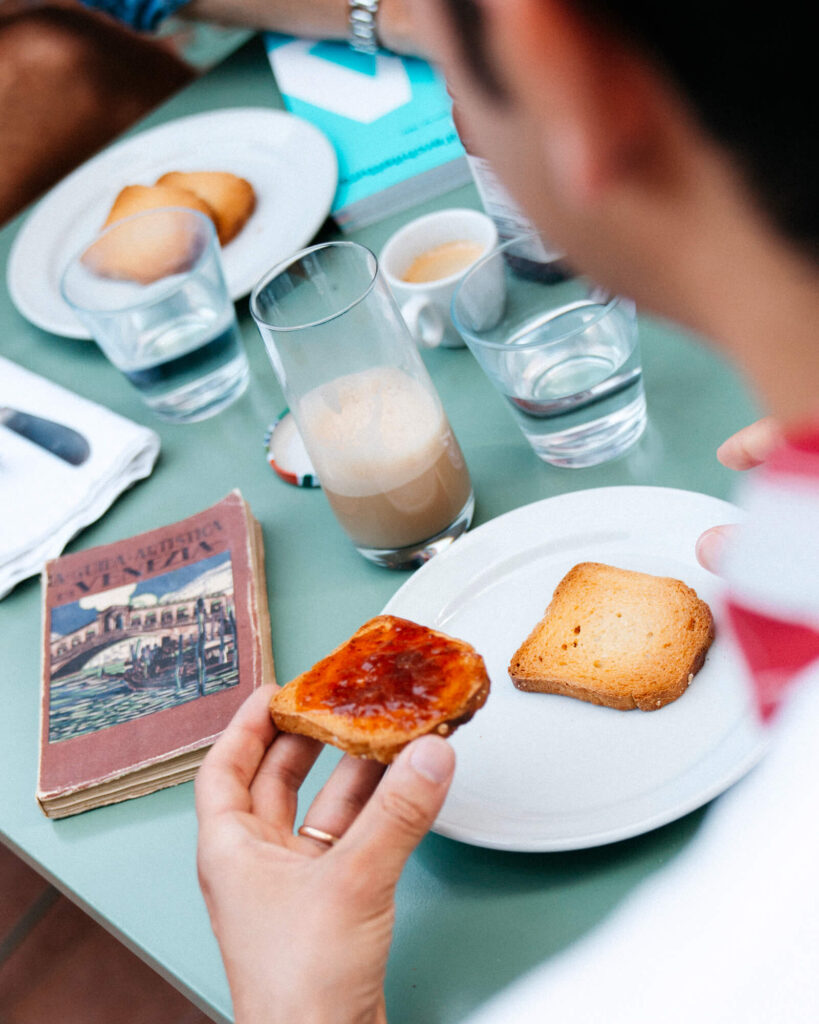
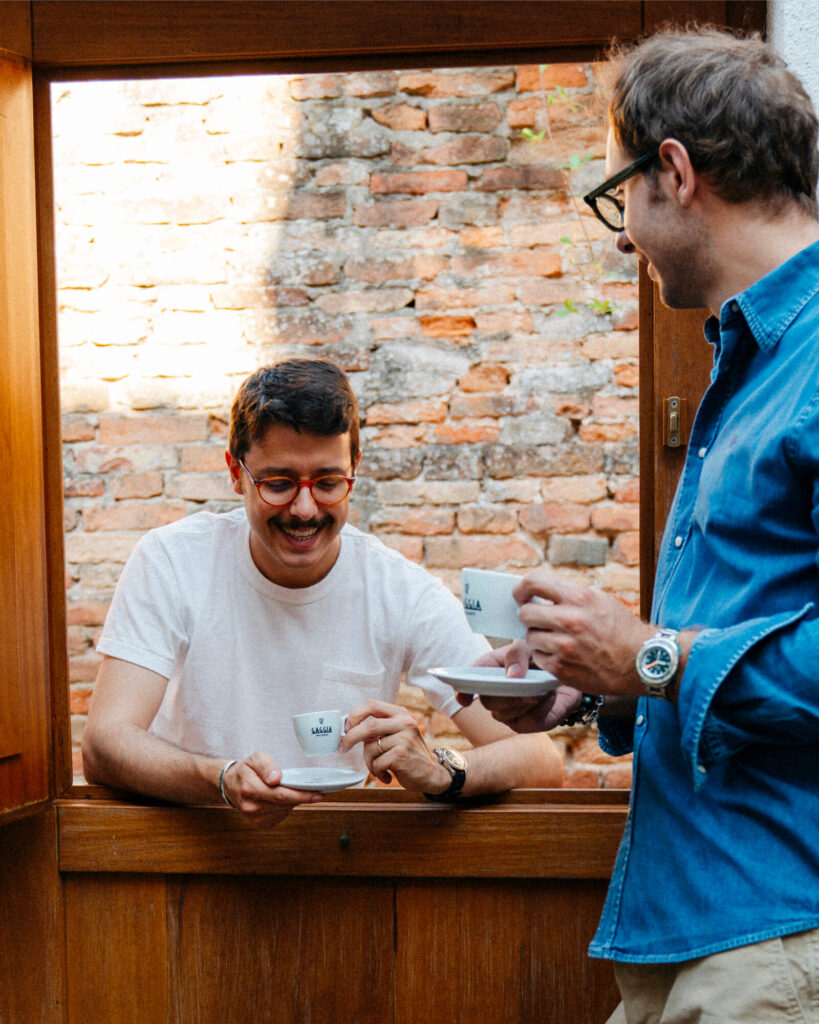
After a good night’s sleep—the kind that only a city devoid of cars, with waters gently lapping the stone shores can offer—we treated ourselves to a proper Italian breakfast in the pied-à-terre we’d picked as a base. Biscuits, jam, and a bar-grade round of espresso, cappuccino and latte macchiato got us ready to slip into our best explorer attire and set out on an itinerary that was equal parts planned and adapted to a moment’s desire.
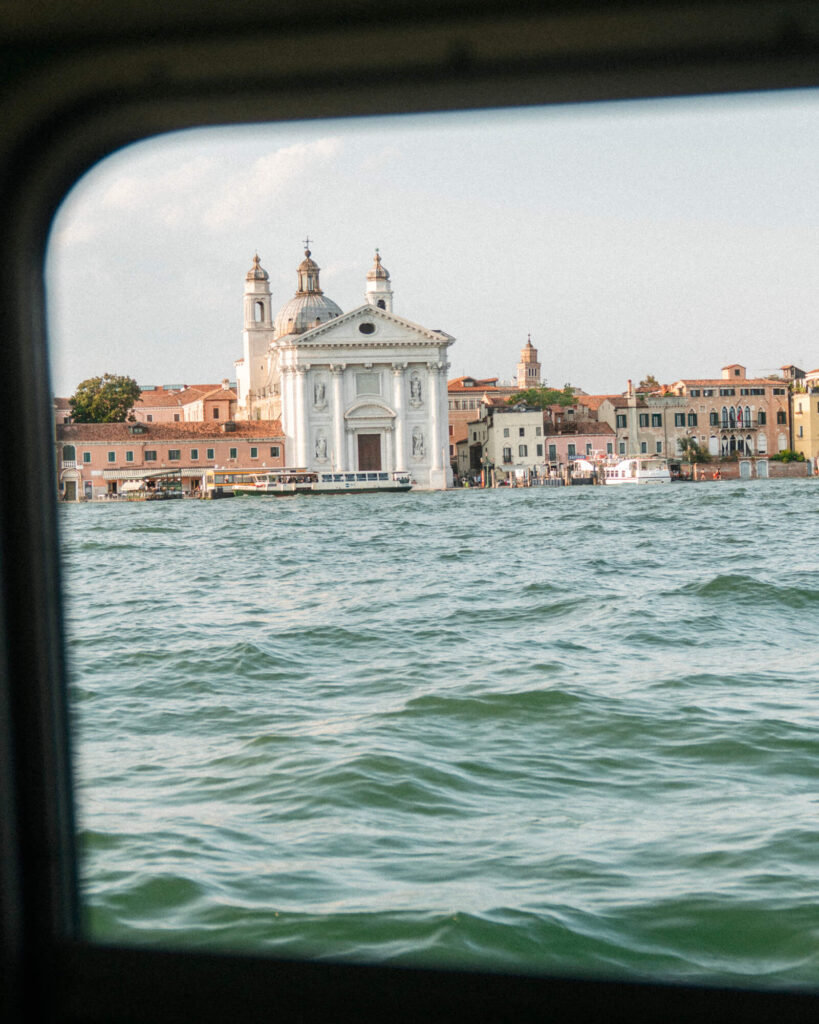
Venice is divided into boroughs, or sestieri, and we were staying in Giudecca—the only one not directly connected to the others, only reachable through a short but mandatory waterbus ride across the Giudecca canal.
This morphological seclusion, albeit slightly inconvenient, is what allowed the island to remain mostly safe from the tourist hordes and preserve a side of Venice that’s harder and harder to catch in the “center”.
Most of the people you’ll meet wandering around its calli are locals, the babel of languages and accents you’d expect to hear in the city leaves room for Venetian dialect, and—most importantly—overtourism seems to be a non-issue here.
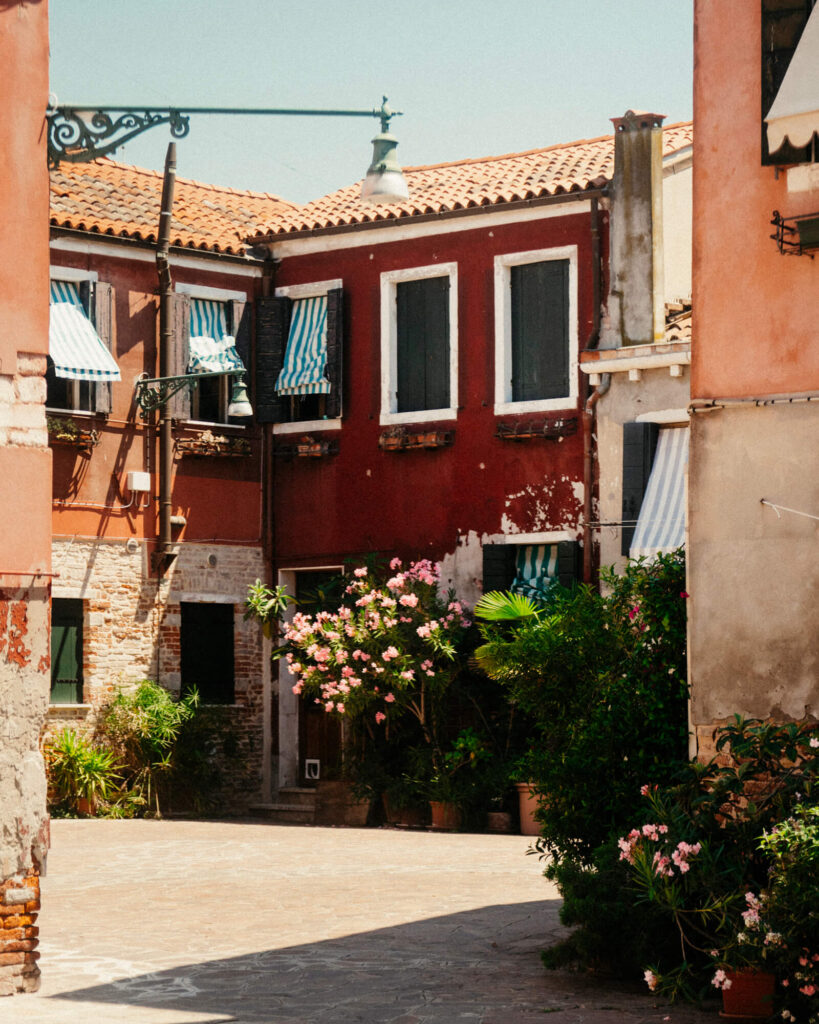
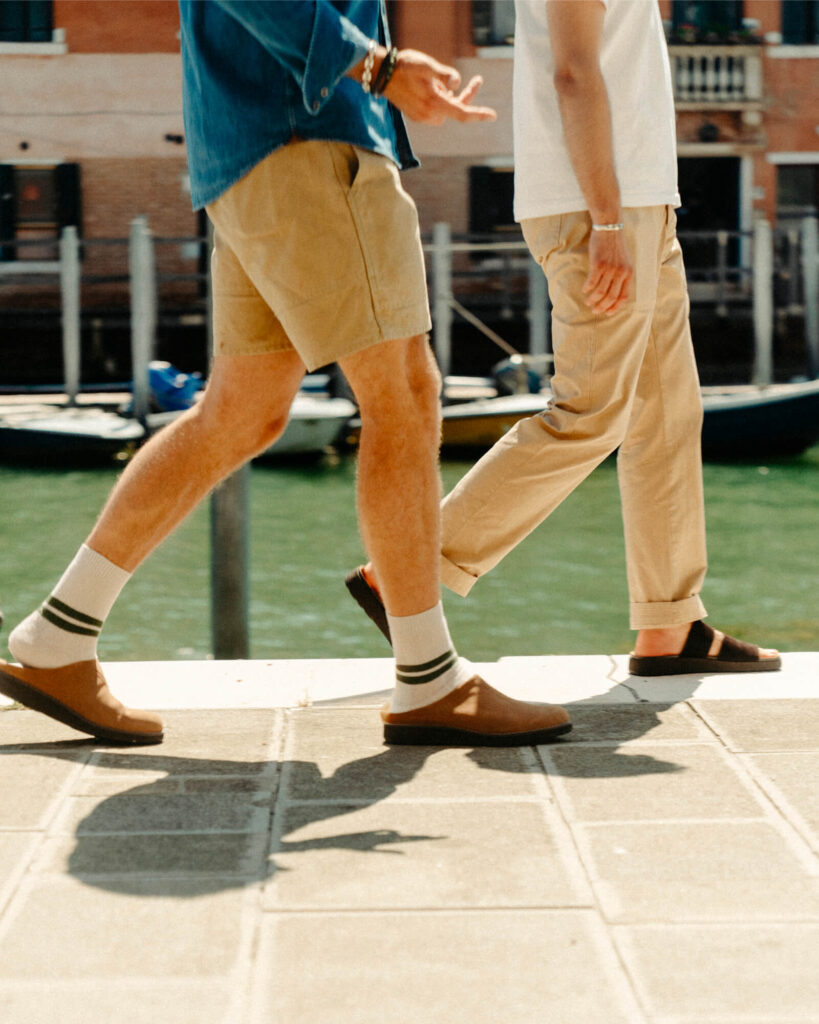
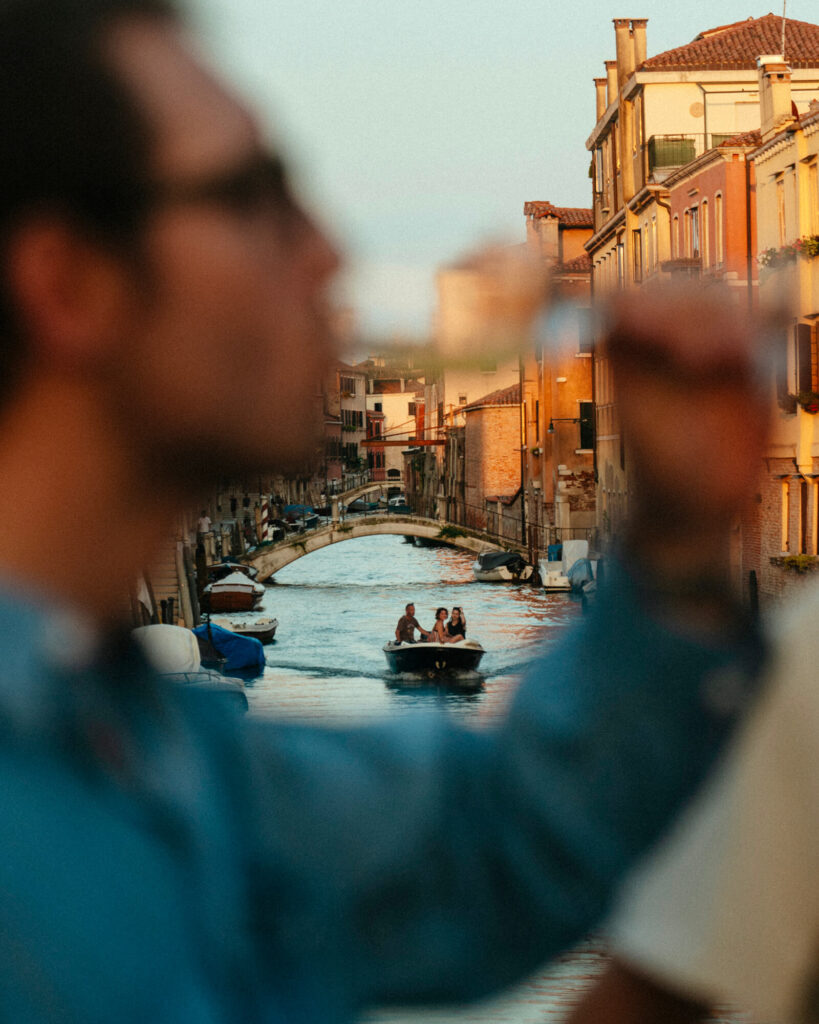
Happy to discover this unexpected side of the city, we indulged in carefree strolling, stopping to take in the views, discover the details and dream of one day owning one of the old boats casually moored alongside the fondamente (streets that run alongside a canal, as opposed to calli, which are flanked by buildings on both sides). A bench became the occasion for a round of cards, the curb of a bridge was the perfect table for a game of dominoes.
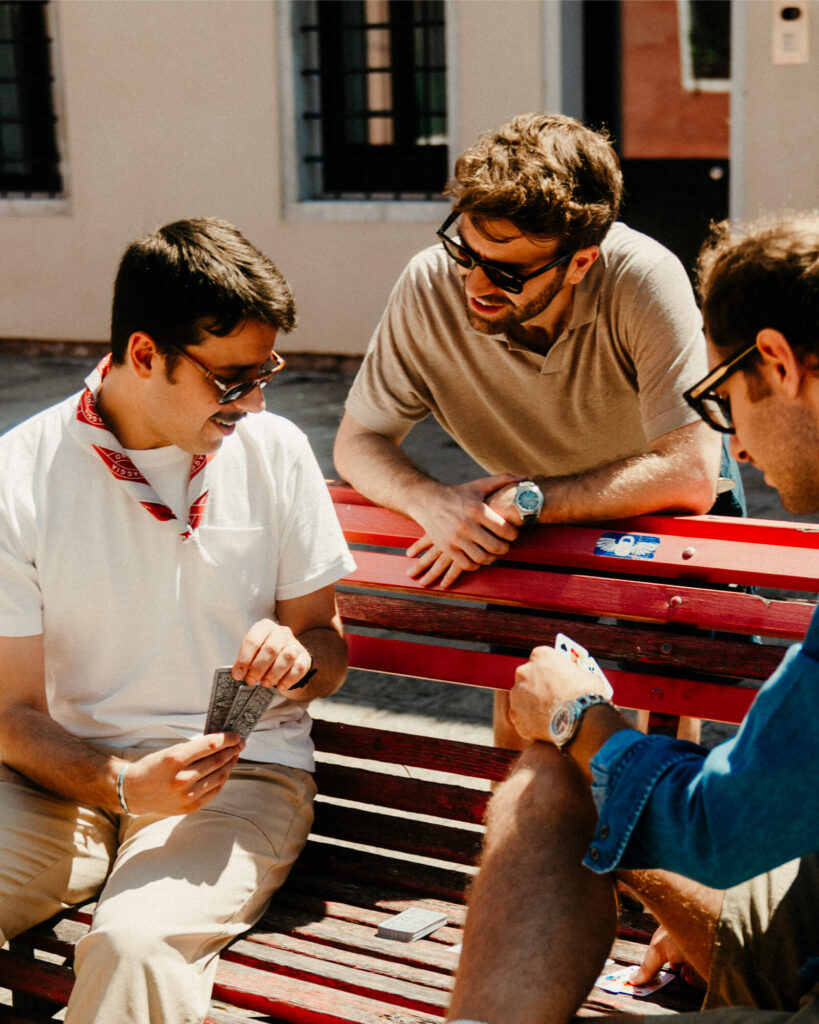

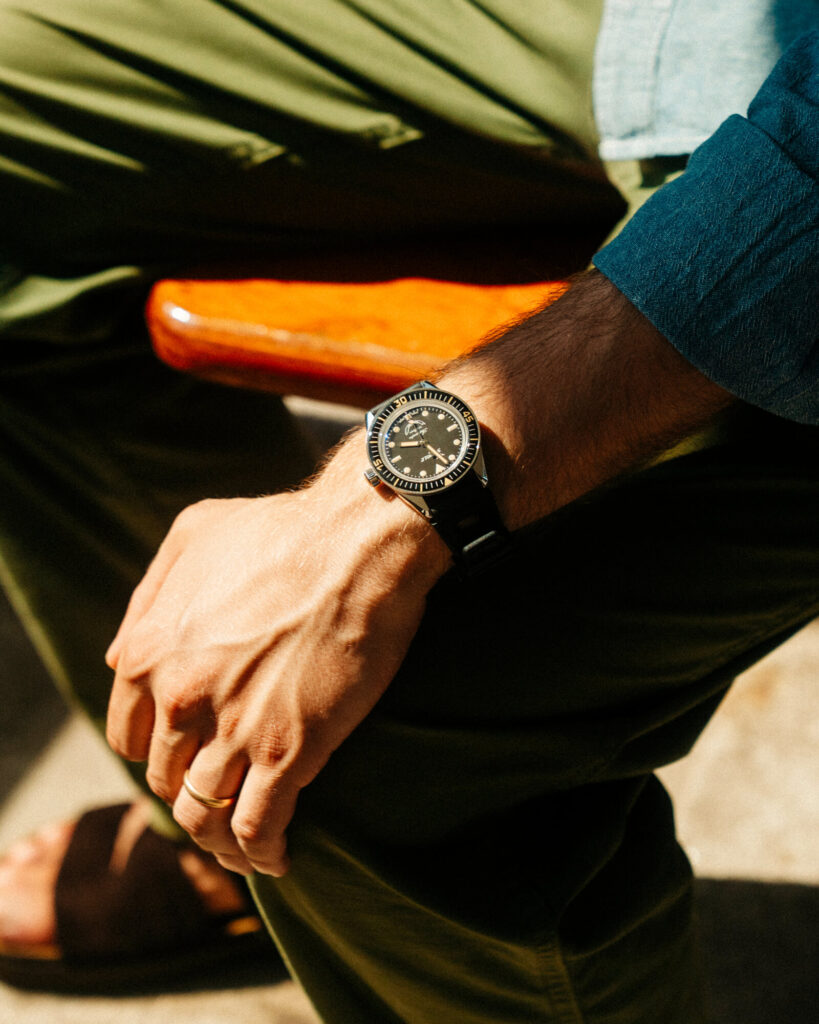
Then, a quick glance at our watches let us know it was time to cross the Giudecca Canal and head toward the heart of Venice.
After a quick flyby at home to get changed, we got to the vaporetto stop (that’s what you want to call the waterbus to blend in with Venetians) and glided to the other side. As we like to do on our escapades, we didn’t really have a planned itinerary through the city: our only goal was to roam around the streets, possibly avoiding the flow of tourist traffic, and let instinct guide us.
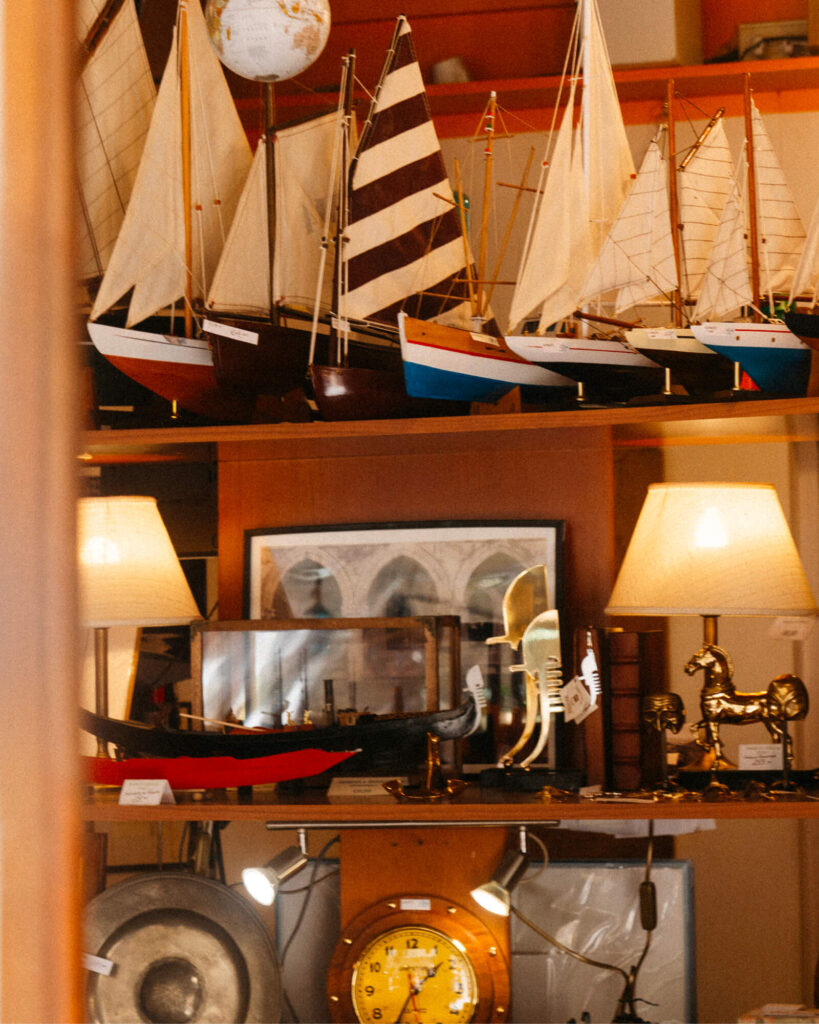
A few spots were marked on our map, but we knew full well that we could see much more in between: for this reason, we took the scenic route, getting as far up as Fondamente Nove, a long waterside promenade overlooking the northern lagoon, the enchanting San Michele cemetery, and the island of Murano, where the world’s finest glass is still blown by hand, perpetuating a centuries-old tradition.
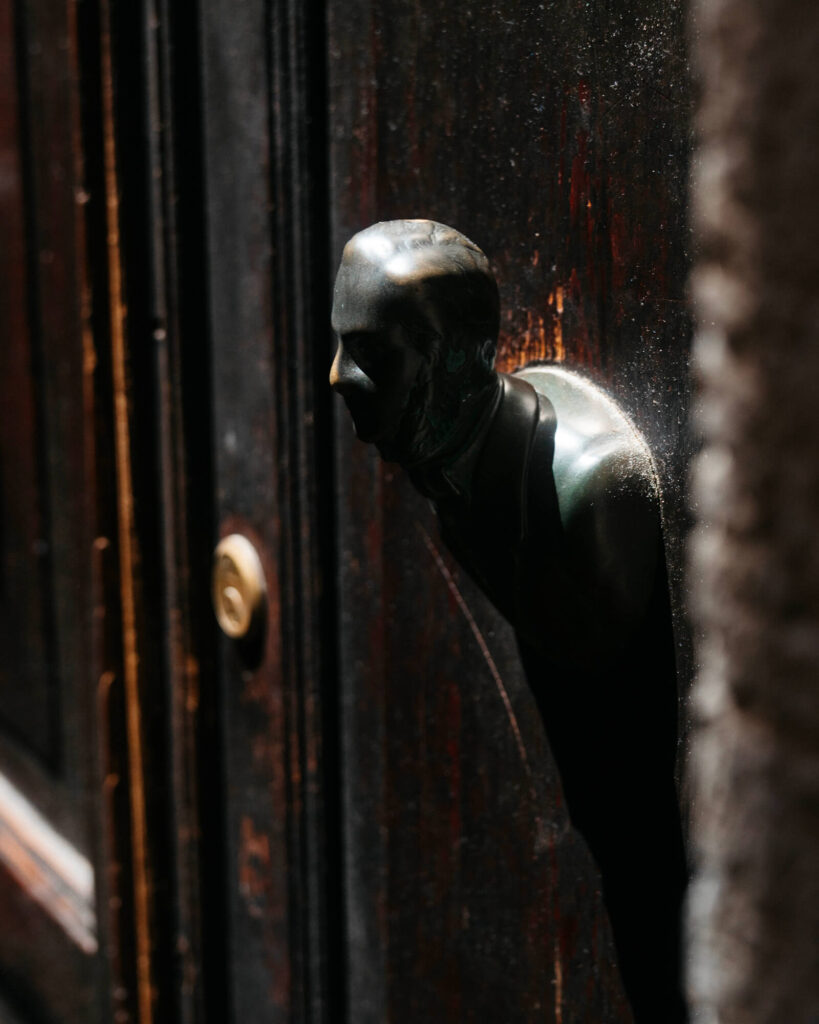
At every turn, a new, unexpected detail caught our attention: a doorknob carved in the fashion of a head, eroded by time to the point of making the original subject absolutely unrecognisable; a bell tower dangerously leaning but allegedly standing still since the 17th century; a hidden shop selling all kinds of nautical paraphernalia; or locals enjoying what appeared to be a well-earned retirement in the shade of their canalside private garden.
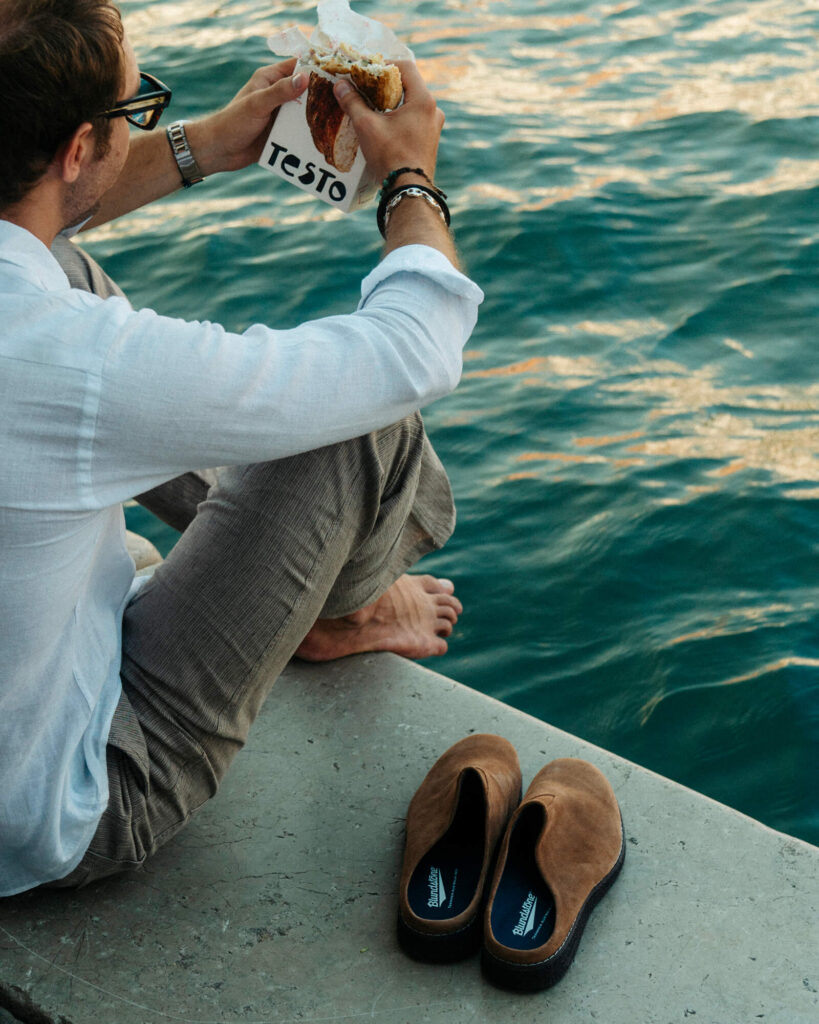
When the miles in our feet called for a good lunch, we made our way to the Rialto fish market, where we wanted to check out a recently opened focaccia place that had been recommended by a friend with the warmest words. Tucked in a (very) tiny location steps away from the Rialto bridge, Testo is built around a simple but effective concept: to take something traditional—the focaccia—and elevate it through a carefully formulated recipe and premium ingredients.
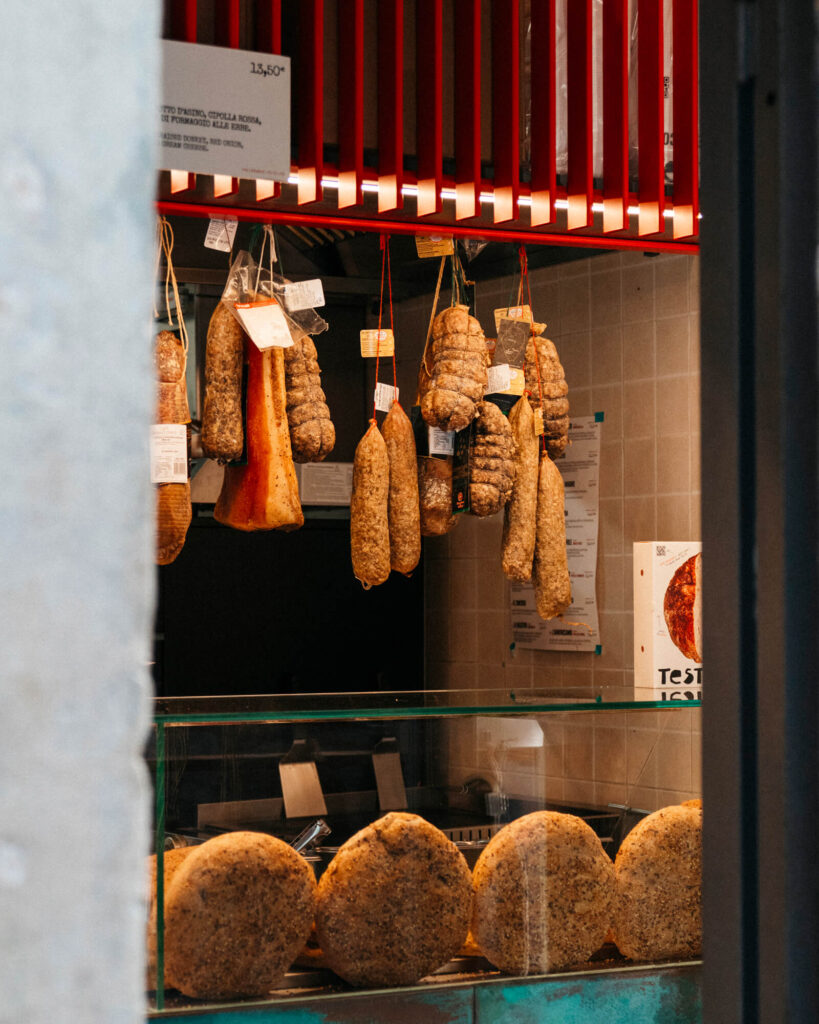
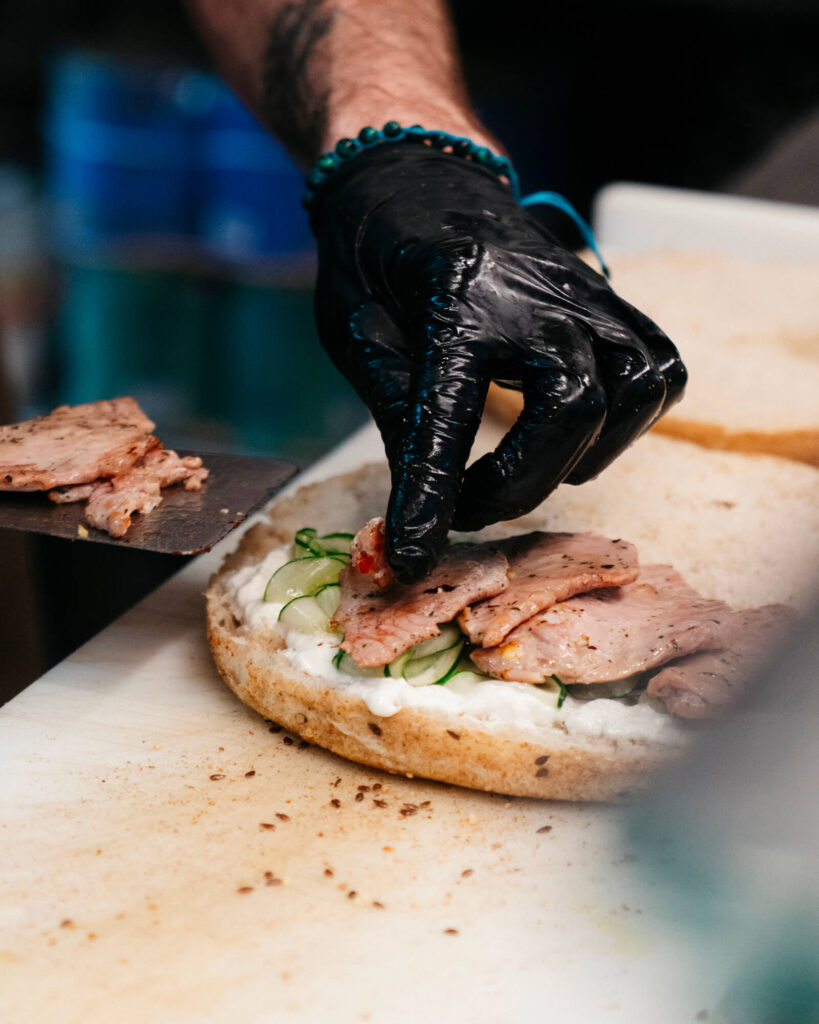
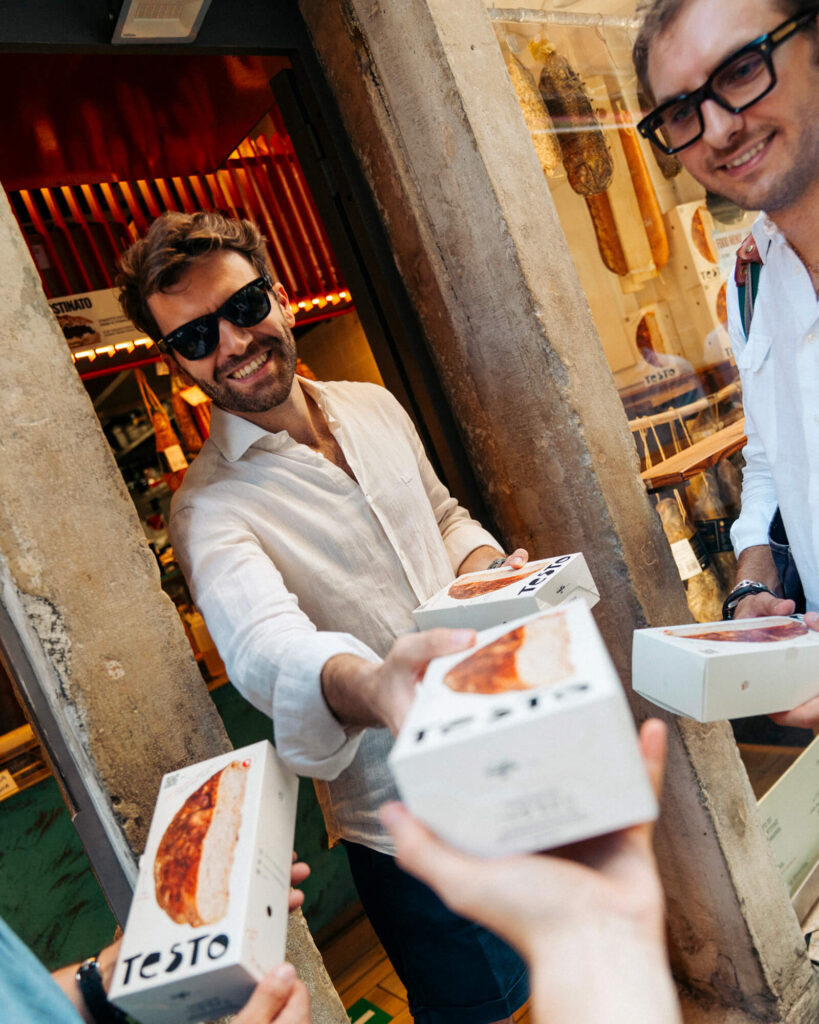
A long-rise sourdough base, prepared following the recipe of one of Italy’s foremost bakers, is filled with flavours that combine Italian and Venetian tradition with unexpected twists. All ingredients are fresh, and sourced from local producers, and the sandwiches are assembled right at the counter, promptly handed to patrons in elegant boxes complete with a QR code.
What’s the code for, you may ask? It points towards the best spots to enjoy your focaccia—all conveniently located a stone’s throw away to ensure you eat it while still hot and crunchy, as we did.
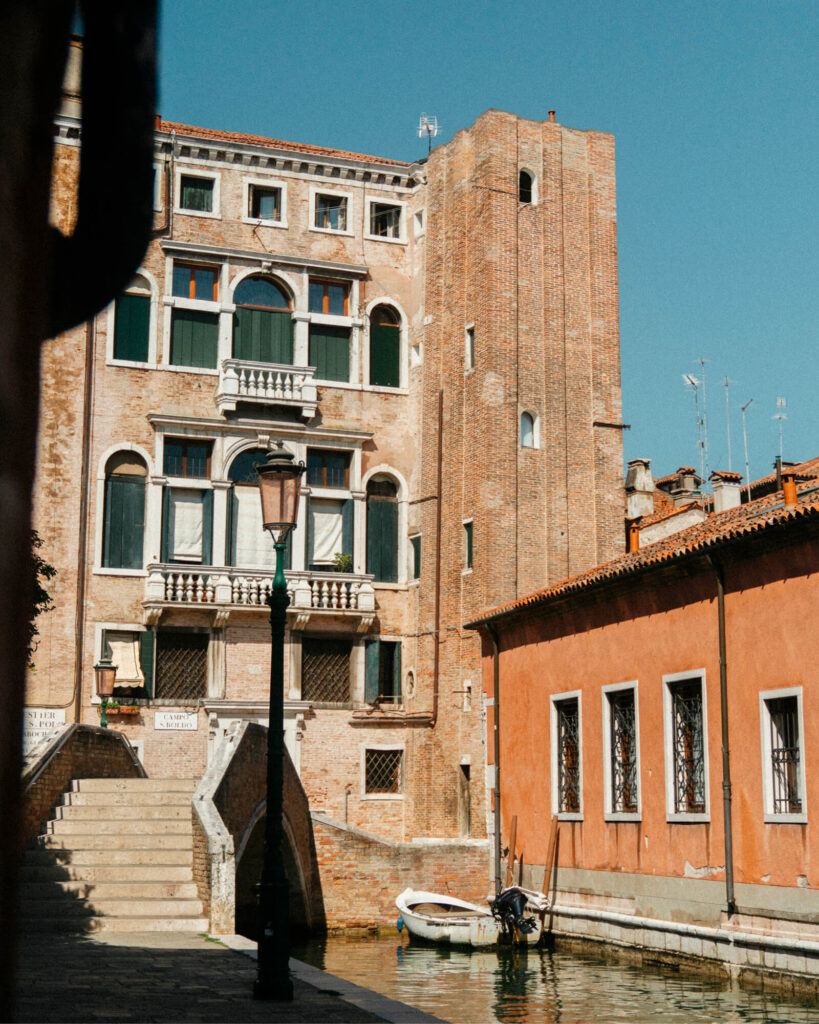
Now comforted, we continued our exploration, seeking refuge from the burning sun in the shade of the calli, breathing the fresh air coming from secluded gardens and salt-encrusted porticos. Unexpected sights kept popping up, like the peculiar building of Campo San Boldo, once a church, now a private residence, with the cut-down bell tower remaining as the only testimony of its sacred past.
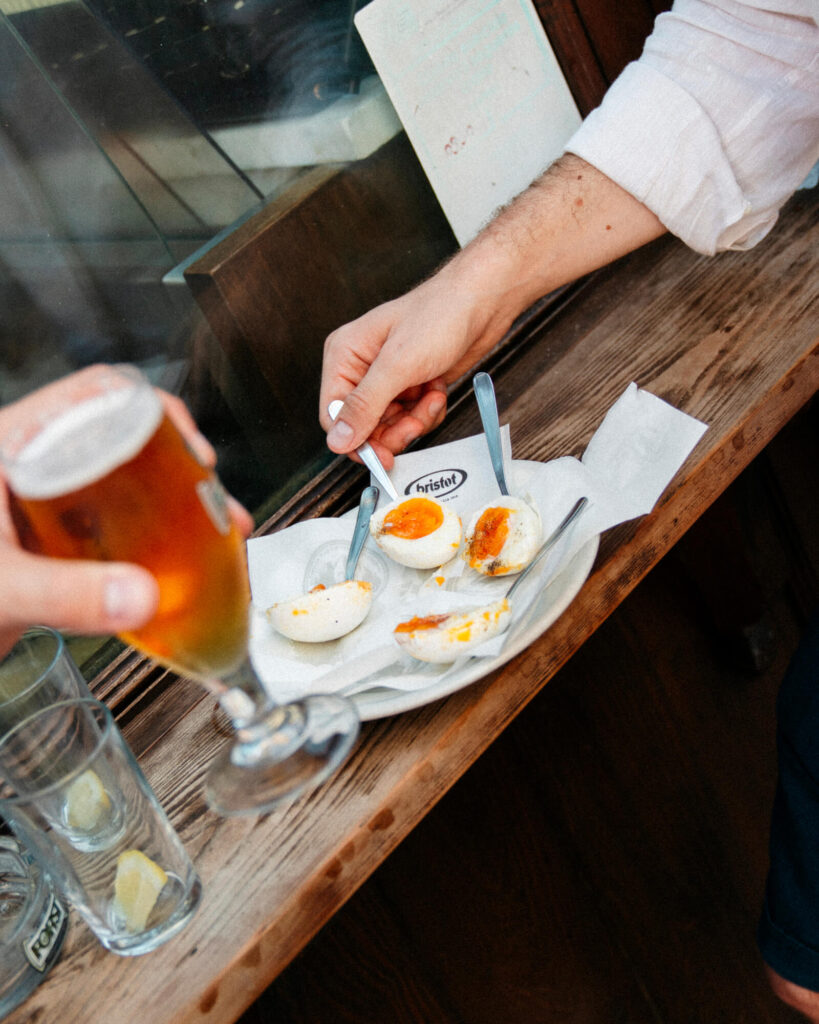
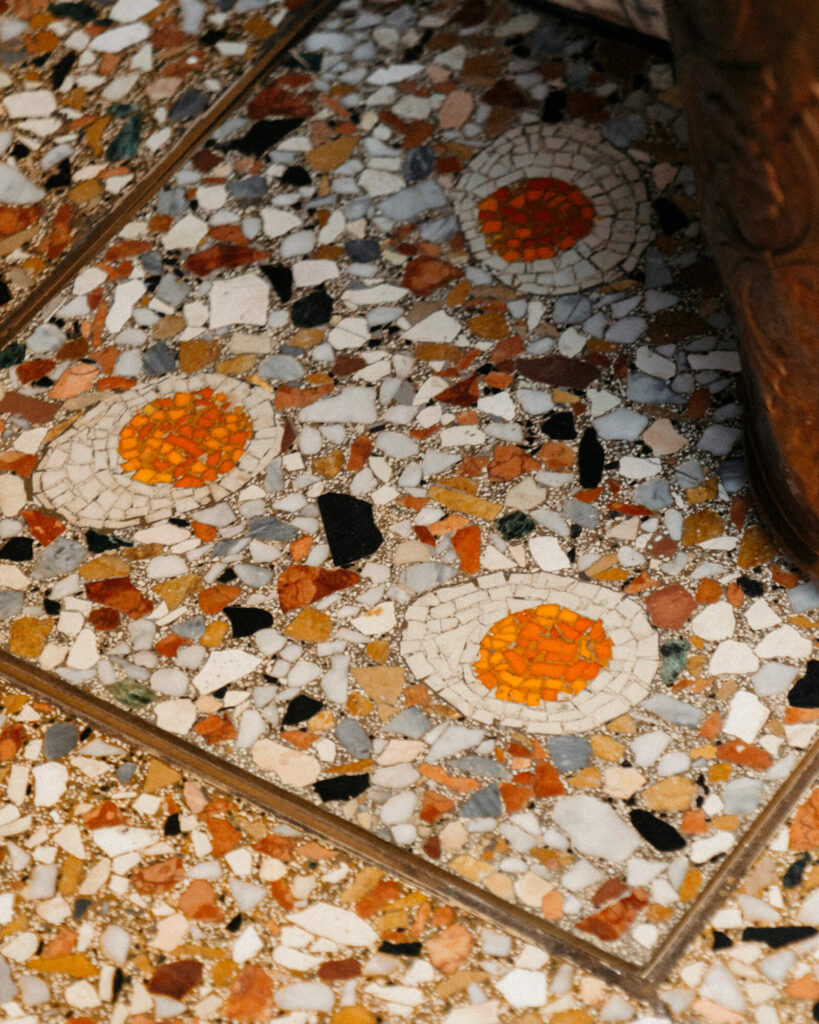
Along the way, we eventually stopped for aperitivo at a bar Alvise used to hit after his university classes, where a grumpy hostess and her son serve some incredible half-eggs, boiled to a creamy perfection. Their devotion to the product is so deep that even the terrazzo floor proudly displays three ovetti; and despite our curiosity we couldn’t coax out their secret recipe: apparently, it’s a skill only acquired over time, boiling dozens of eggs a day for decades…
At this point, our time in Venice had clearly taken a gastronomic turn, and all we could think of was dinner: luckily, we had secured a spot in one of the city’s hottest restaurants, Osteria Anice Stellato.
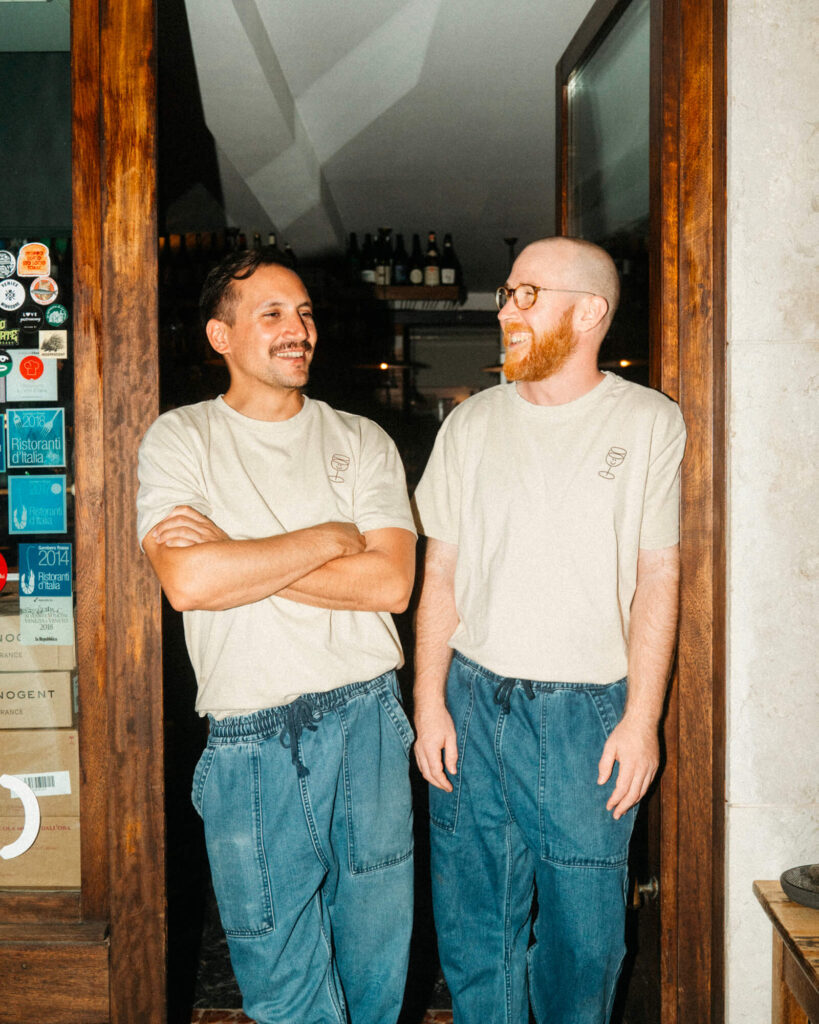
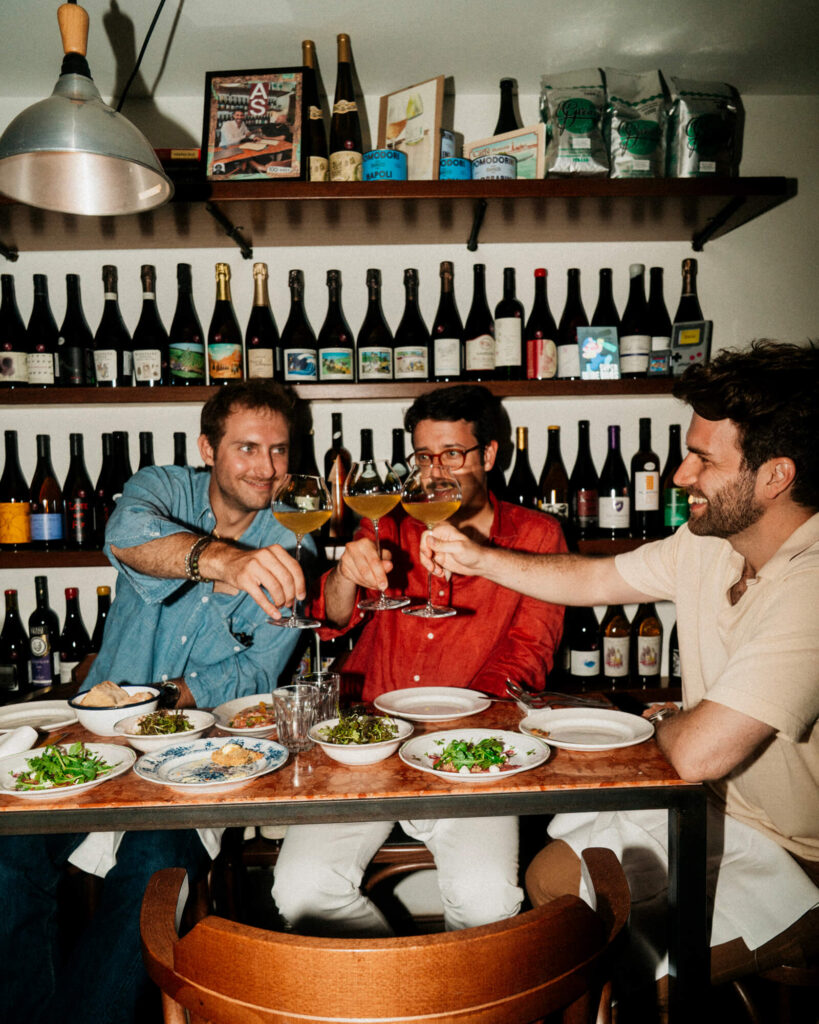
An established name for many years, the Osteria was taken over a couple of years ago by chef Mattia Cantonetti and sommelier Luigi Basso.
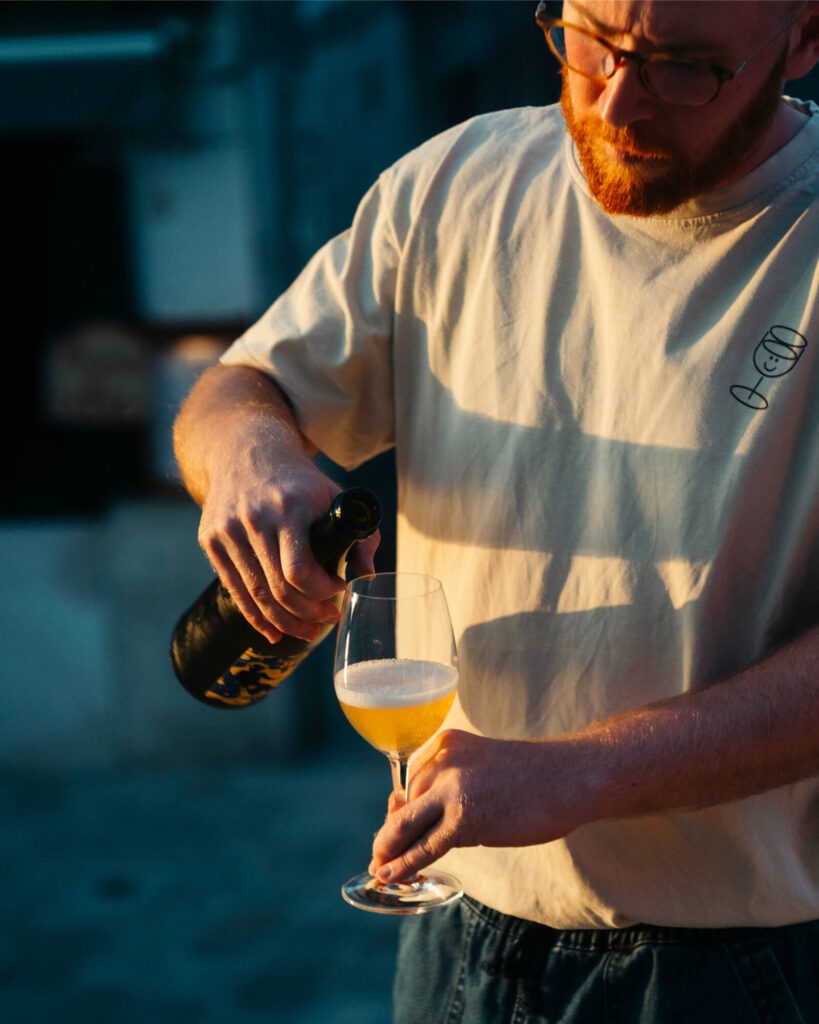
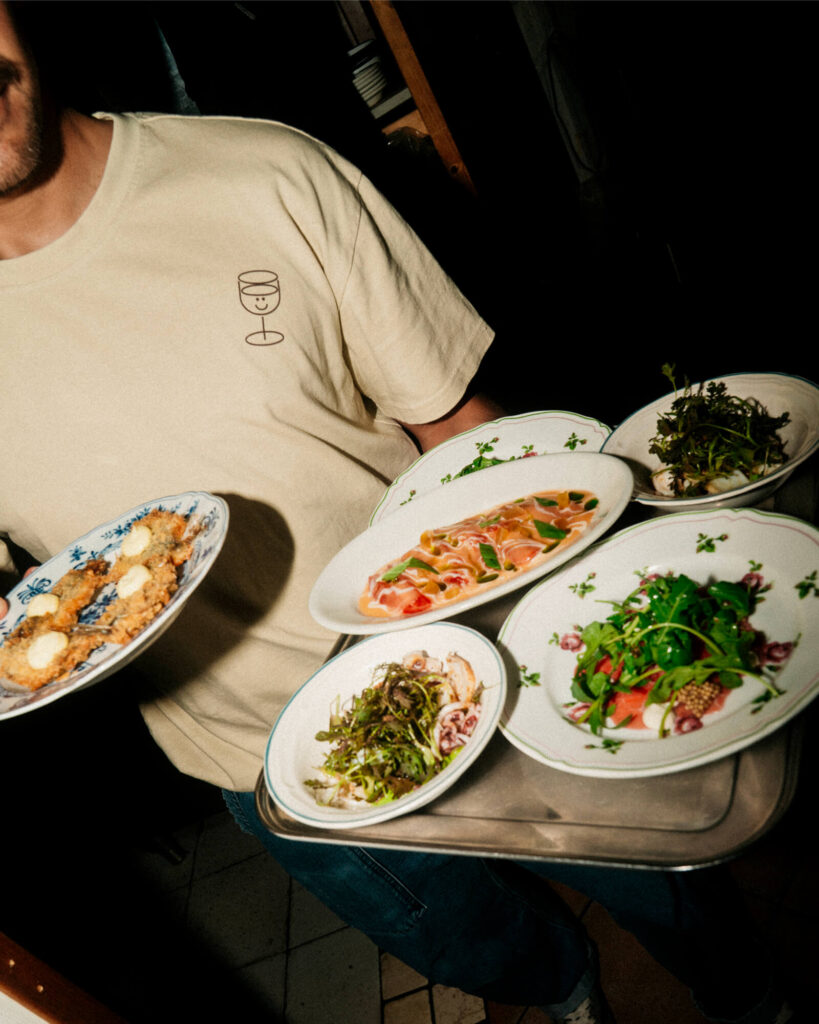
We kicked things off with a sun-drenched aperitivo right outside the venue before the dynamic duo introduced their signature garangheo—a tasting menu where all patrons at the table are served nine small courses.
Bringing together appetizers, main courses, and unexpected off-menu surprises, the experience seamlessly blends a deep respect for local ingredients with a genuine love for sharing and conviviality.
Our palates were treated to a delightful succession of flavors, alternating raw fish and smoked tomatoes with almond mayo, to gnocchi with snails and roasted squid.
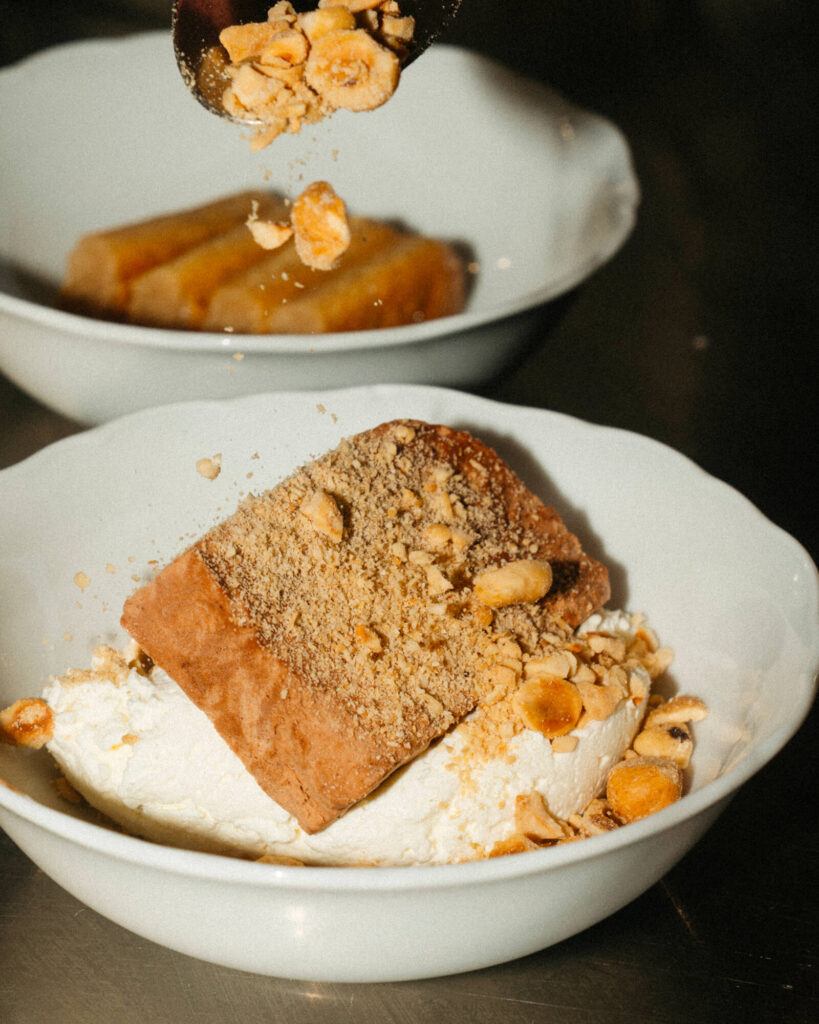
Gianduia ice cream and tiramisu sealed a love letter to contemporary Venetian cuisine unlike any other.
Thoroughly delighted and deeply satisfied, we set off on the long walk home.
The next morning, an early alarm awaited us: we didn’t want to miss our appointment at the Giudecca rowing club, where we’d signed up for a lesson…
