



This story originally appeared on the Gents Cafe Newsletter. You can subscribe here.
Walking into a specialty cafe for the first time revealed a new world to Michal Molcan: a world of quality, intentionality and curation, that finds in coffee a pivotal point to spark curiosity and fosters connections that expand far beyond a simple cup of the beverage.
As he ventured into the universe of specialty coffee, he decided to build on that same philosophy, and created Standart to narrate the compelling stories revolving around the producers, brewers, baristas and enthusiasts all around the globe.
In this Scent of Paper Interview, Michal takes us back to where it all began, from organising coffee festivals when he was a teenager to building an international brand, and confesses how a fair share of naïveness was probably what ultimately allowed him to launch the first issue of the magazine.
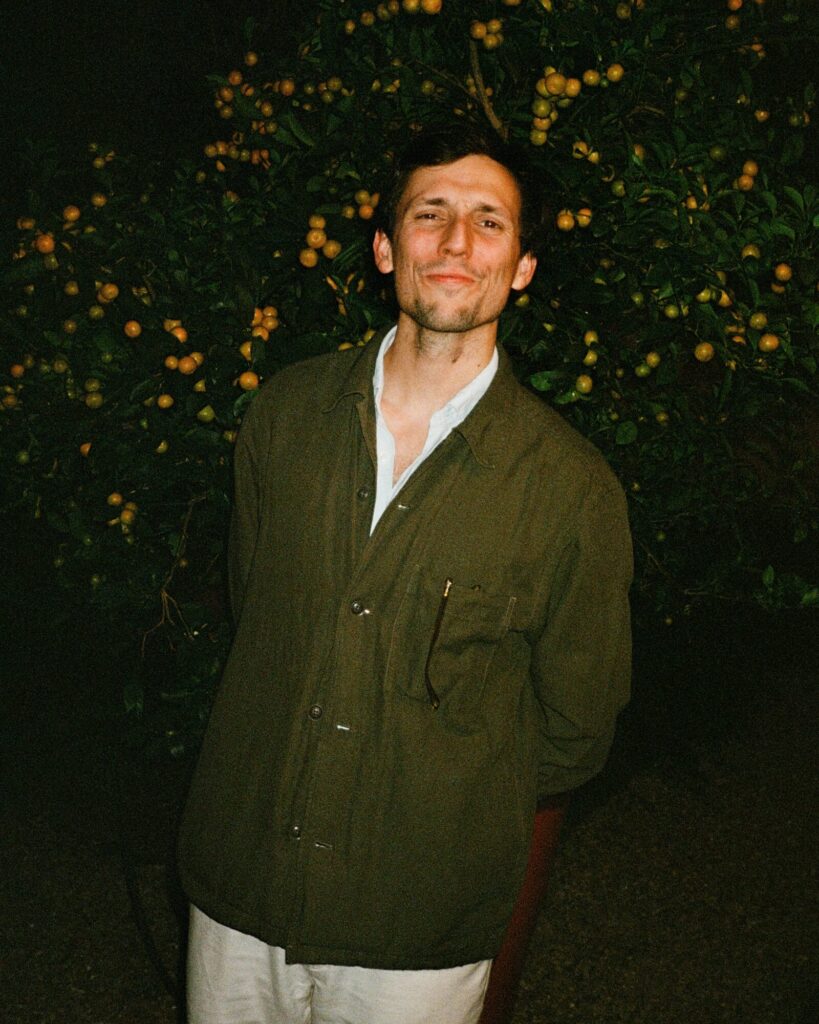
What does the first chapter of your coffee story look like? I’d love to know about the very first memory of coffee that left a permanent mark on you and set you on this journey.
I have two core memories. The first is tied to coffee in general, and it goes back to spending time with my grandmother in the country. I remember sitting in the garden and watching her drink this strange, hot black liquid that I just couldn’t understand as a kid. I tried it and found it terribly bitter, but I loved the smell and the sense of occasion it created among adults. Later on in high school and college, coffee simply became a functional, brown caffeine fix to wake me up in the morning.
The second memory, which completely shifted my perspective, happened when I walked into a specialty cafe in Prague and ordered a single-origin specialty espresso. It was a total wake-up call—like someone threw a bucket of ice water in my face. It smelled unusual and tasted completely unexpected, carrying notes of jasmine tea and lemon while still being coffee. Looking around, the atmosphere was entirely different from a typical chain coffee shop: the music was interesting, the artwork on the wall was curated, and the crowd was distinct. That moment made me acutely aware of the space and sparked my love for specialty cafes that truly care about the coffee they serve.
That moment made me acutely aware of the space and sparked my love for specialty cafes that truly care about the coffee they serve.
What inspired you to establish the magazine?
Following that experience, I began learning about specialty coffee through hands-on projects rather than formal study. Around 2013 to 2015, while in late high school and early college, I launched and organized coffee festivals in Bratislava, Vienna, and Prague. These events brought together coffee roasters, espresso bars, lectures, and workshops. As a 19-year-old, managing those festivals was an incredible learning experience because it required handling project management, speaker lineups, finances, and marketing all at once.
However, once a weekend festival ended, all we had left were photographs and reviews. I realized I missed having a physical, tangible product in my hands—something that represented the labor of my work year-round. Since I didn’t have the capital to open a roastery or cafe, and didn’t want to be tied down to a single physical location, I started thinking about print.
I was an avid reader of independent titles and publications like Monocle, The New Yorker, and Offscreen. I saw an opportunity to create a high-level magazine dedicated to specialty coffee, executed with the exact same standards of quality found in the coffee industry itself. The risk felt manageable: we would put together the first issue with help from friends for writing and photography, and if it wasn’t well received, we simply wouldn’t print a second one. Confident in the idea, I jumped right in, which eventually led to the creation of Standart.
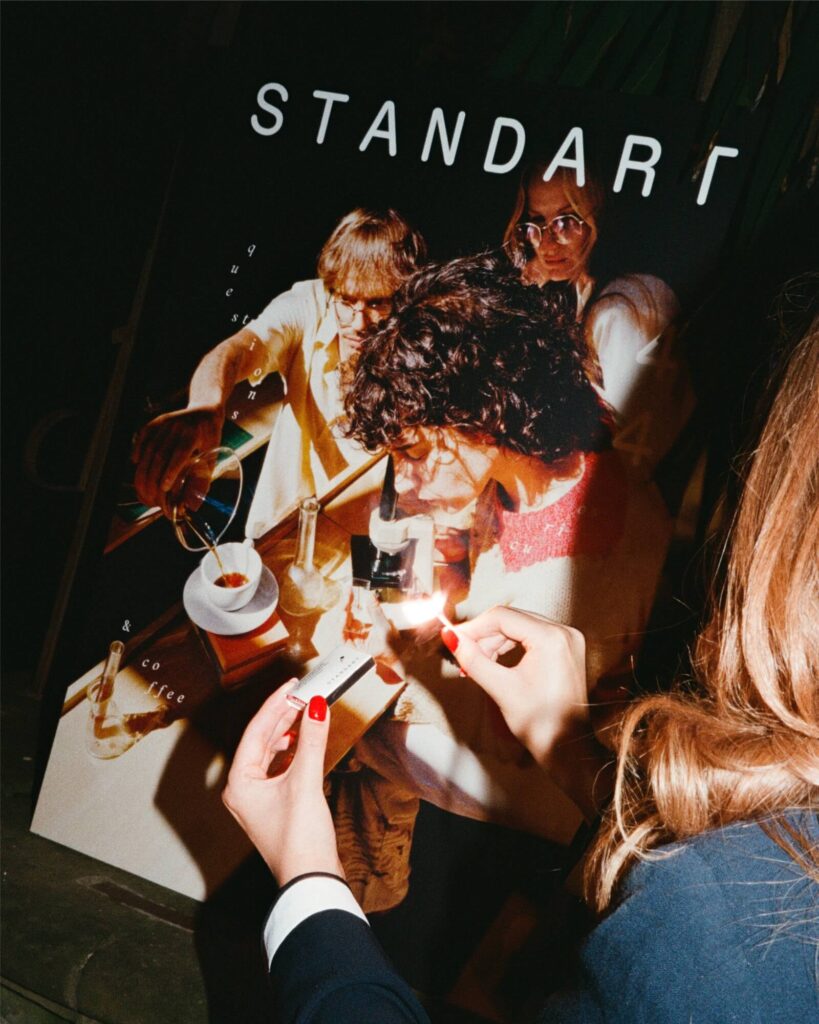
What is the philosophy and meaning behind the name Standart?
The name stems from a few different stories, but the primary motivation goes back about ten years, when a certain pretense or elitist attitude began creeping into specialty coffee. Even today, walking into some cafes without knowing exact terms like carbonic maceration, lactic fermentation, or Liberica can get you condescending looks from baristas. I wanted to challenge that superficiality and demonstrate that enjoying a fresh, responsibly sourced cup of great-tasting coffee should simply be the baseline—the standard of your morning routine. From there, we developed the tagline “Standing for the Art of Coffee,” presenting coffee as a canvas for creativity, ideas, and human connection.
Our editorial philosophy treats coffee as a means to an end—a powerful social glue. A cafe is a physical space where conversations and connections happen, and ideas flourish. Beyond the social aspect, coffee is also a means to an end for millions of people worldwide who rely on it for their livelihoods. It carries complex layers: a dark historical legacy alongside incredible, inspiring stories across producing countries.
Rather than focusing solely on technical machine reviews or cataloging coffee varieties—which you can easily find in reference books or online portals—we wanted Standart to be the perfect encapsulation of your favorite cafe. When you step into a great venue, you see the technical machinery, the baristas, and the roasters, but you also encounter the human element. You see guest drinkers from all walks of life sharing the same space. You take in the interior architecture, the music, and the art on the walls. The founding vision of Standart was to capture every single one of those layers—technical, human, aesthetic, and cultural—within a beautifully crafted quarterly publication.
We wanted Standart to be the perfect encapsulation of your favorite cafe.
Can you take me back to the first issue of Standart? How did you come up with the stories and photos, and what did it feel like to say “Okay, we are ready to launch”?
Looking back, it was a total punk project, but we had great fun. We relied heavily on help from friends, family, and acquaintances for photography, design, and editing. None of us formally had a background in magazine publishing, which proved to be a case where “ignorance is bliss.” Had we known the sheer scale of work required to produce an issue from scratch, it might have intimidated us. Instead, we drew inspiration from independent magazines we admired and just executed it our own way.
I wanted the magazine to be funded primarily by readers and subscriptions rather than advertising, but I also wanted to partner with top-tier brands. While sitting in my college dorm room, I got on a Skype call with Adams, who owns Chemex in the US. I pitched him our unreleased magazine with a PDF pitch deck, asking Chemex to be our exclusive sponsor for issue one in exchange for a feature on their history. I frankly admitted, “We’ve already shot the photos and written the article, so if you say no, we’re probably going to publish it anyway.” He laughed and mentioned that Chemex hadn’t advertised in print for 18 years, but he loved the spirit of the project and agreed to sponsor us. Beyond the financial push, receiving that trust from an iconic brand was a huge psychological boost and a sign of how open the coffee community is.
That support was reinforced continuously as we launched. In 2016, around our third issue, I attended a coffee conference in Atlanta and spotted Geoff Watts, a co-founder of Intelligentsia Coffee and one of the absolute godfathers of specialty coffee in the US. I nervously walked up as a young kid, handed him issue three, and introduced myself. To my surprise, he said, “Oh yeah, issue three! I have the first three copies sitting in my office—it’s a fantastic magazine. Do you want to grab lunch?” We ended up having a three-hour lunch together. Moments like that were an incredible piece of early validation that we were on the right path.
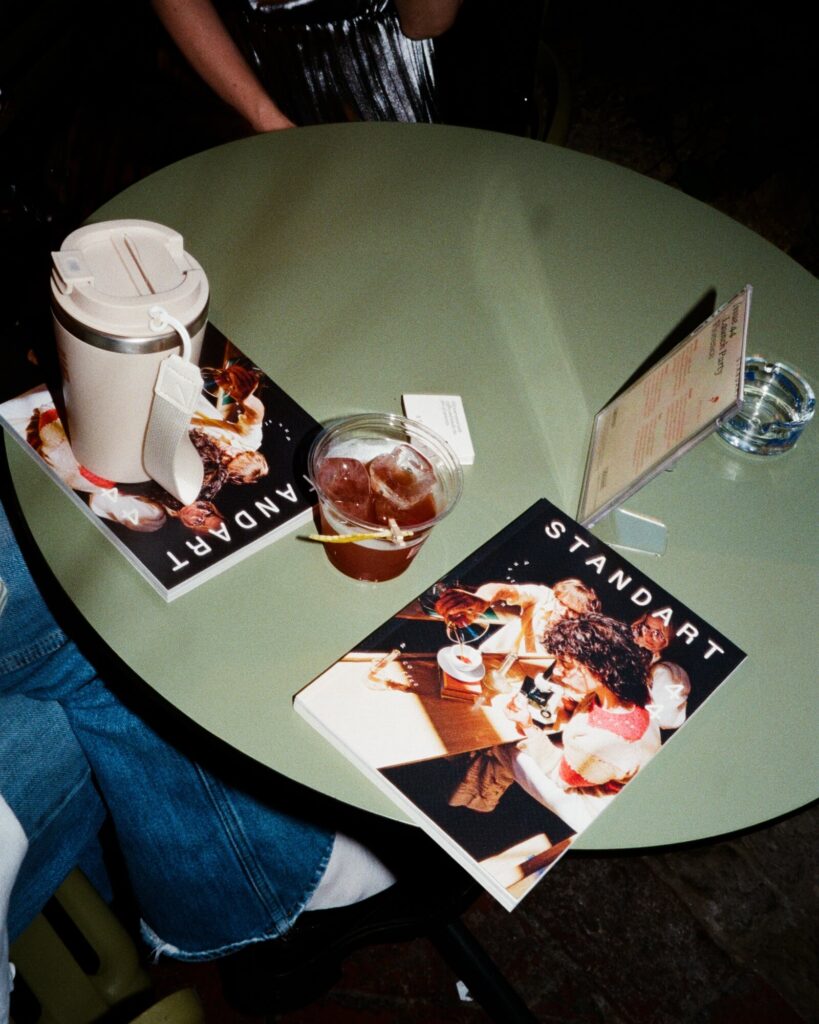
What is your personal daily coffee ritual like? How has your fundamental idea of what coffee is changed over the years since you started the magazine?
With a baby at home now, I feel like I’ve made a full circle back to coffee being a vital source of caffeine! Beyond that, my personal ritual relies heavily on specific mugs to create mental boundaries between work and rest. I have one particular mug that I only use on weekends when I’m completely off; I never touch it during the workweek. When I’m working from home, I switch between two specific work mugs. This habit helps me mentally transition between working and relaxing.
Taste-wise, I was much more exploratory during the early years of Standart. Today, I’ve become more conservative in my preferences. While I understand and appreciate the current trend toward co-fermented beans and experimental processing methods—which can be great for producers, roasters, and newcomers exploring wild flavor profiles—I prefer a simple, clean, washed Colombian, Ethiopian, or Kenyan filter coffee.
When it comes to espresso, my view is a bit controversial: I think many specialty cafes in Europe make really poor espresso that comes out sour and under-extracted. Because of that, I rarely order espresso in specialty shops, opting instead for batch brew or a cortado. My guilty pleasure, however, is a classic, dark-roasted Italian espresso—like a well-extracted Illy—and occasionally washing the cup with a dash of grappa.
Standart engages multiple senses, offering a physical coffee sample alongside the printed magazine. When a reader sits down with a new issue, pours a freshly brewed cup, and turns the first page, what kind of headspace are you hoping to cultivate for them?
We want to create the ultimate “me time” moment and serve as the best coffee companion one could ask for. Whether you’re curling up on your sofa during a busy week or taking five borrowed minutes on a Saturday morning at your local neighborhood cafe, we want Standart to be a vessel that carries you around the world and helps you see life through the lens of coffee. And when you put down an issue of Standart, we want you to walk away with more curiosity and deeper questions than when you picked it up.
It’s about sparking genuine discovery and introducing subjects that an algorithm would never show you in a social media feed. We want Standart to provide a true switch-off moment—a quiet space where you can let your mind wander while enjoying a great cup of coffee.
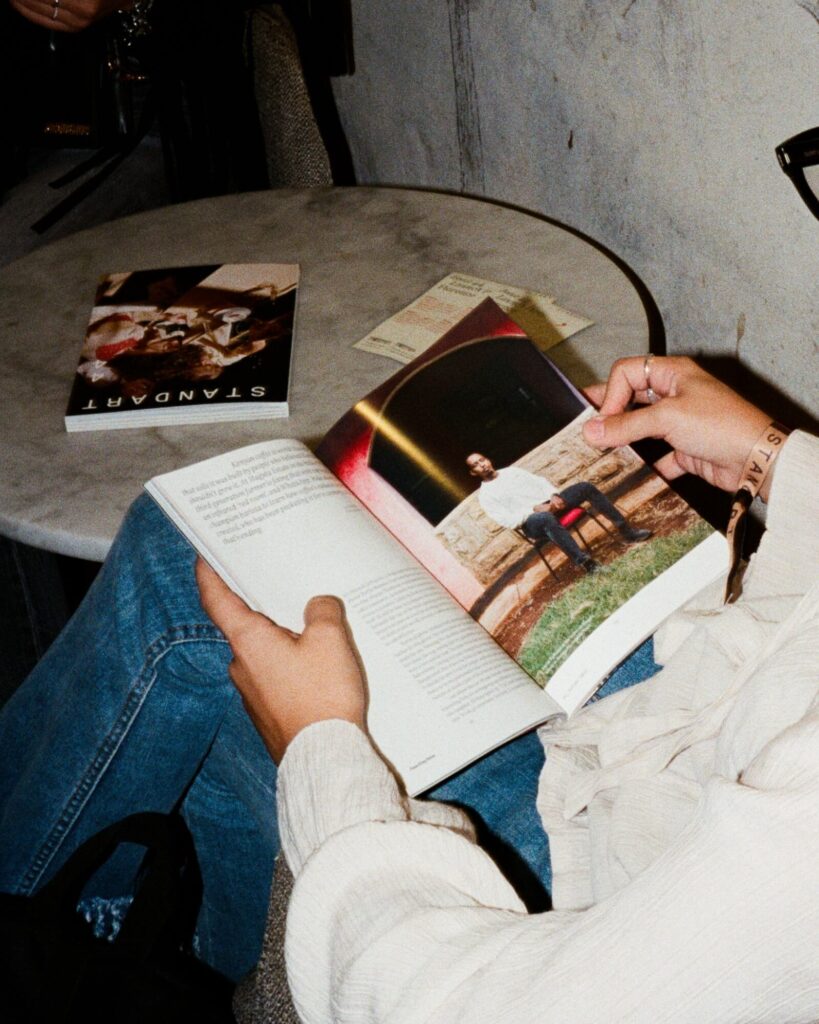
We live in an era captivated by speed, algorithms, and digital noise. What is it about the physical nature of paper that acts as the ultimate antidote to the modern world?
Reading a story in print simply hits differently than scrolling through it on your phone while riding the subway. What I love about print is that we, as publishers, remain in complete control of the experience and we can curate it. We choose the topics, the writers, and the sequence of the articles. There is no algorithm manipulating what comes next. Everyone who opens an issue goes through the exact same journey, including encountering articles that might not immediately catch their eye. That closed-loop discovery expands your thinking in ways that hyper-targeted algorithmic feeds—which continuously serve you content you already agree with or like—simply cannot replicate.
At the same time, print and digital are deeply intertwined today. Even though we are a print publication, our readers actively post photos of their copies on social media, discuss the stories on our digital community platform, and connect online. The physical and digital worlds naturally overlap.
Ultimately, it comes down to two things: attention and intentionality. Whether you are reading an article on paper, on a desktop, in a newsletter, or listening to an audio format, what truly matters is that you are engaging with purpose rather than giving it two seconds of passive scrolling. Print naturally requires focus, but our core mission is about capturing your genuine attention for more than just a fleeting moment—whether that happens through a physical magazine or a digital platform. When you engage with real intention and curiosity, that is when your mind actually grows and your horizons expand.
Even though we are a print publication, our readers post photos of their copies on social media, discuss the stories on our digital platform, and connect online.
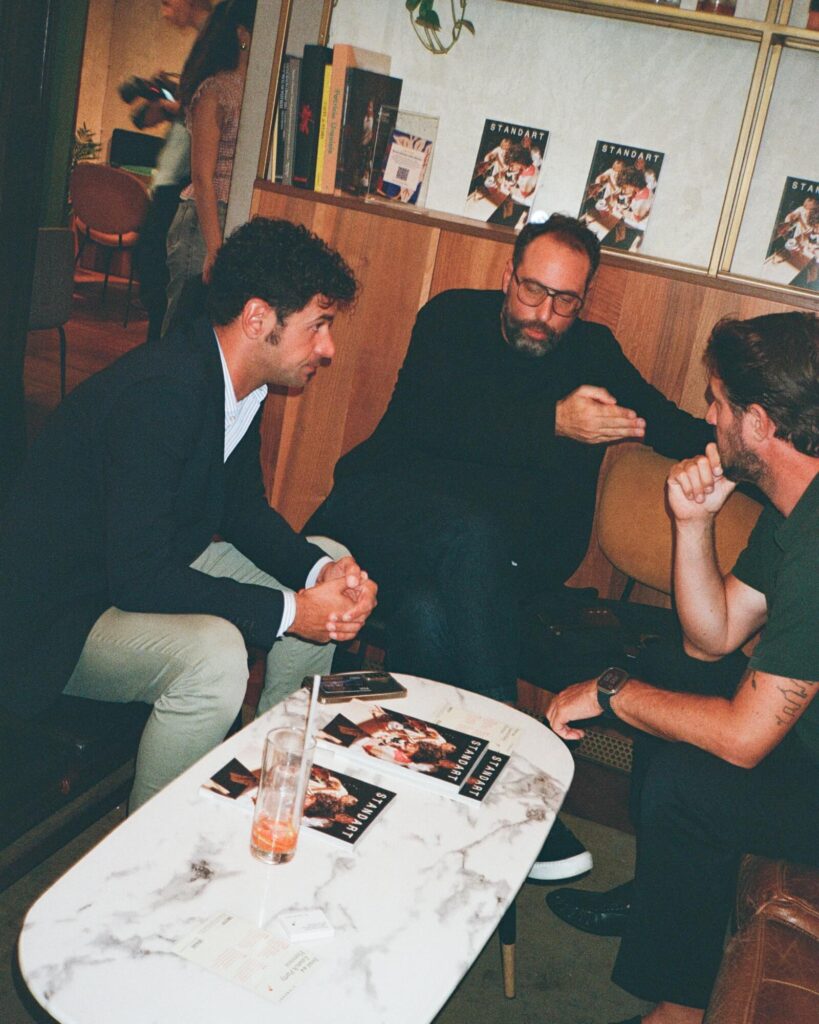
Your issue launch parties are true moments of physical community. What is the energy in the room when coffee enthusiasts gather in person, offline, to hold a new issue for the first time?
Our launch parties are a unique opportunity for us to connect directly with our audience, but their primary purpose is to facilitate connections among our readers. Because we sell directly rather than relying on traditional newsstands or bookstores, we maintain a direct line of communication with our community. Our readers are incredibly sophisticated, creative professionals and fascinating individuals, so we are always looking for ways to bring them together in person.
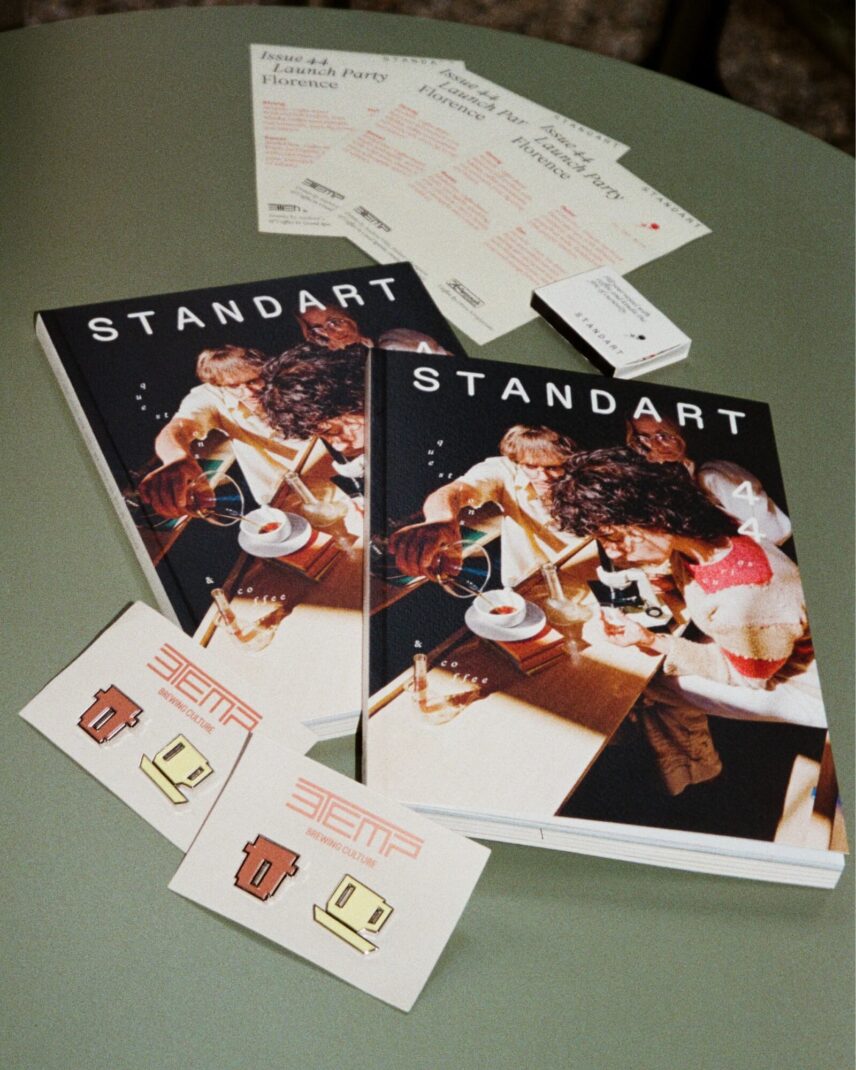
While we’ve hosted various events historically, we introduced a structured format for quarterly launch parties over the past year. We’ve held these launches in Berlin, Tokyo, Brussels, and Florence, alongside other major milestone events—such as book launches in Tokyo and London, and our ten-year anniversary celebrations in Chicago and Copenhagen. Moving forward, we aim to spread these events globally across Europe, the US, and Asia.
The energy at these gatherings is remarkable. Getting face-to-face feedback from the people who read Standart is invaluable, and it’s incredible to see our most loyal readers travel by train or plane just to join us for an evening. Creating a space where like-minded people can meet, share a drink, and hold the new issue together makes those events truly special.
What is the most unexpected, random, or funny place where you’ve accidentally stumbled upon someone reading a copy of Standart?
I remember receiving a customer support ticket from a loyal subscriber who happened to be an officer serving on a US Navy warship somewhere out in the Pacific Ocean. Looking at that shipping address for the first time was such a fun realization—it made us realize just how far-reaching and unexpected our readership really is.
Another incredible moment happened when I walked onto an airplane, I believe in Dublin, and saw a passenger sitting there reading a copy of Standart. Granted, there was a coffee event happening in the city that weekend, so the odds of bumping into coffee lovers were higher than usual, but actually seeing someone holding the magazine in the wild at 30,000 feet was an incredible feeling.
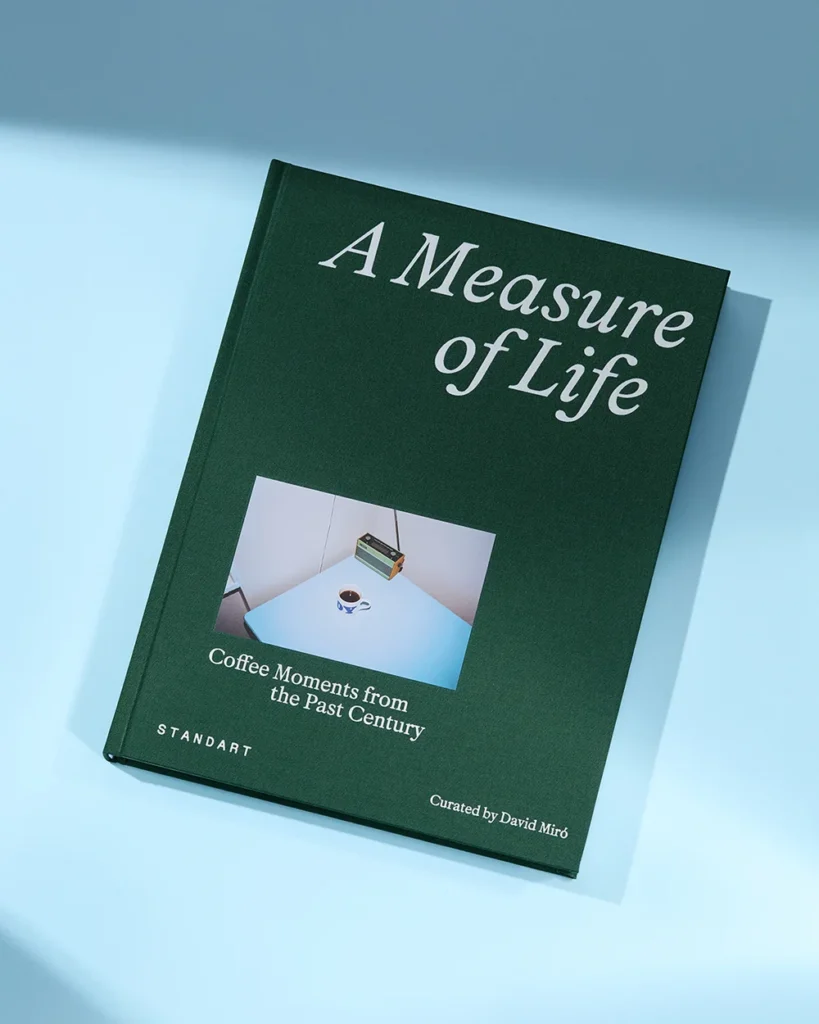
Your recent book, A Measure of Life, takes a beautiful step into historical documentation of the best coffee moments from the past century. How did the idea for this project come about, and what was the research and curation process like?
All credit for the book goes to our creative director, Kiril Savateev, who oversees the art direction and overall creative vision for the magazine and the brand. It grew out of a collaboration with David Miró, a photography collector and curator based in Spain.
Our goal was to treat coffee as a sense of occasion and a unique window into the personal lives of various individuals—many of whom were famous artists, musicians, actors, and film directors—throughout the 20th century, particularly the second half. The curation process involved working closely with David as well as the families of the people featured in the book to compile those rare, authentic moments.
It turned out beautifully, and I’m extremely proud of the final result. It reinforces the idea of Standart as a true coffee companion that enriches your coffee moments across different mediums.
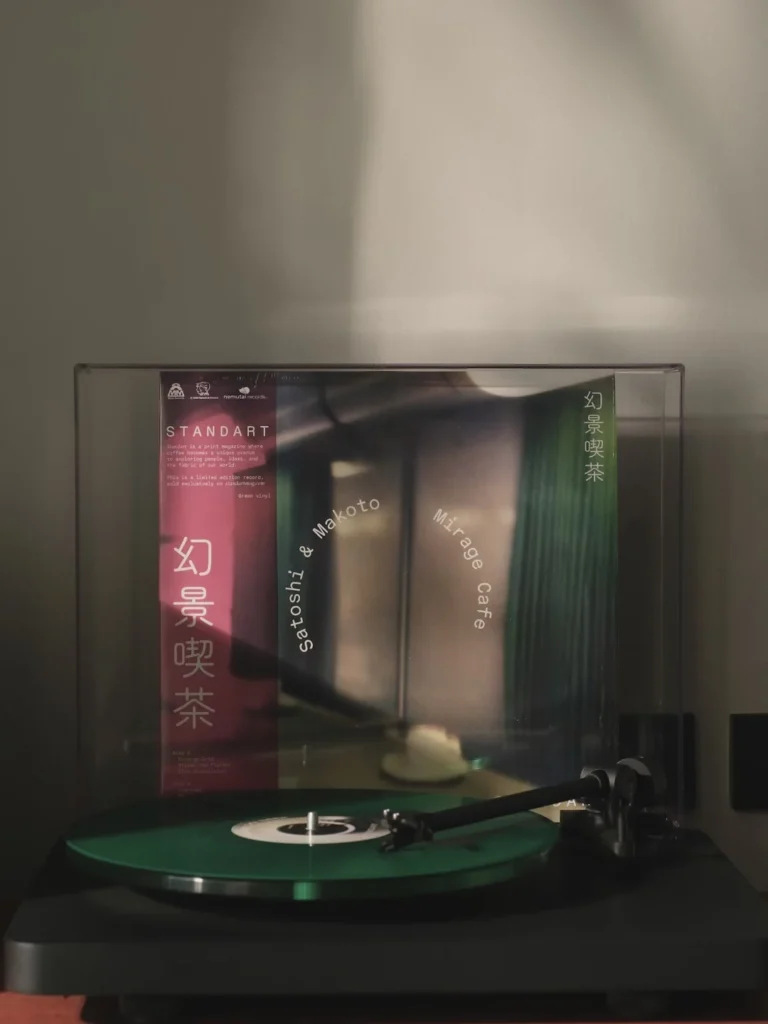
You’ve beautifully expanded the Standart universe beyond the printed page by releasing a limited-edition vinyl, Mirage Café. Tell us more about this project and how you see music completing the sensory atmosphere for your community.
The vinyl project was a collaboration with Satoshi & Makoto, an electronic DJ duo from Japan. We originally interviewed them for an earlier issue of Standart, and that conversation sparked the idea of collaborating on a custom album specifically for the magazine. They recorded Mirage Café, and we pressed it as a limited-edition run of just 1,000 vinyl copies. We split the release half-and-half: 500 copies were distributed to select record stores worldwide, and the other 500 were reserved directly for our readers on our website. It completely sold out in a single day, which was fantastic, and we are already planning a second press run along with future musical collaborations.
Financially, a vinyl isn’t a major profit driver—it’s expensive to produce and requires a tremendous amount of time, effort, and energy from everyone involved. However, as part of our broader brand strategy, curation, and community cultivation, it makes sense. Physical music supports share the exact same tactile nature as print magazines and coffee table books. The vinyl enriches the overall atmosphere we strive to build, and I couldn’t be more excited about how it turned out.
Do you see other books, vinyls, and other forms of physical media beyond the print magazine in the future?
Yes, absolutely. I see Standart evolving into a proper media and lifestyle brand, with the print magazine always playing the central flagship role—the core asset and primary testament to our work. Surrounding that, I want our membership community to grow alongside culturally adjacent brand collaborations and a curated line of lifestyle products that elevate your coffee experience at home.
Images by Anna Adamo