




This story originally appeared on the Gents Cafe Newsletter. You can subscribe here.
Some say the joy of a journey lies not in the destination, but in the discoveries that are made along the way. This is certainly true for Cristina Calori who, from a young age, has travelled the world with her father hunting for vintage clothing and new brands to import into Italy.
Their dedication, curiosity, and love for authenticity is the driving force behind WP Lavori in Corso, the brand they founded together, helmed today by Cristina as President. For over four decades, WP has operated not just as a distributor, but as an archaeological expedition, translating the soul of garments and brands into a distinctive retail vision.
In this Brand Talks interview, we sat down with Cristina to learn more about the history of the brand, her most cherished memories, and how an inclination for design and furniture was the spark behind the creation of a new hospitality concept.
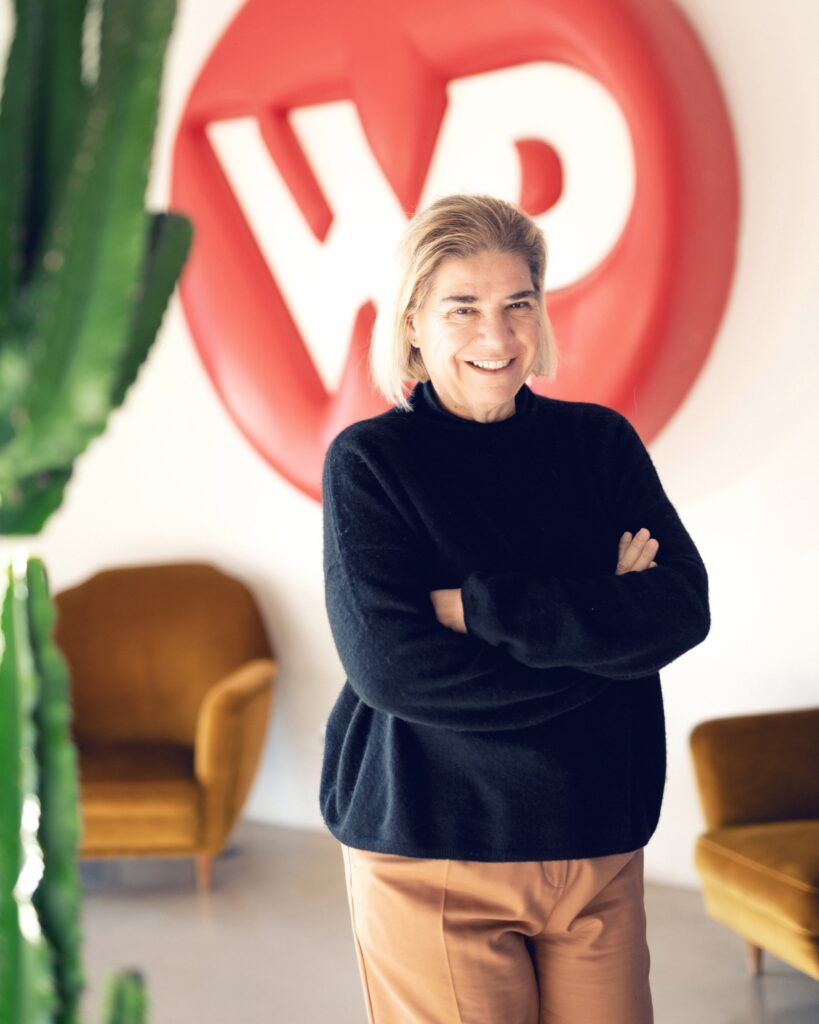
WP Lavori in Corso was born from an intuition shared with your father when you were only 23 years old. What images remain etched in your mind as a symbol of that beginning?
When I close my eyes and return to the first overseas trips with my father, the first image that comes to mind is New York at the end of the 1980s. The streets of SoHo, still raw and industrial, were filled with a creativity that bloomed everywhere: in the shops, in the clubs, and in the people walking with an attitude I had never seen in Italy. I distinctly remember the moment when we walked into one of those small underground stores and we found the first pair of Vans we’d ever seen. There was something authentic, functional, and at the same time incredibly stylish about them. We immediately understood that this product had to come to us. It was the beginning of a journey that has never stopped.
By importing brands that were unknown at the time, you literally rewrote the aesthetic code of Italians. Do you remember the first time you came across a stranger wearing a garment you had chosen? What did it feel like?
I remember it very well. I was in Milan, most likely in the winter of ’85. I saw a young man crossing the street wearing a Barbour jacket. I stopped in my tracks. That garment had made its way there from the Scottish countryside after a long journey. Something we had chosen, something we had believed in—originally created for a completely different natural use—had entered everyday life, becoming part of a style and a new cultural identity.
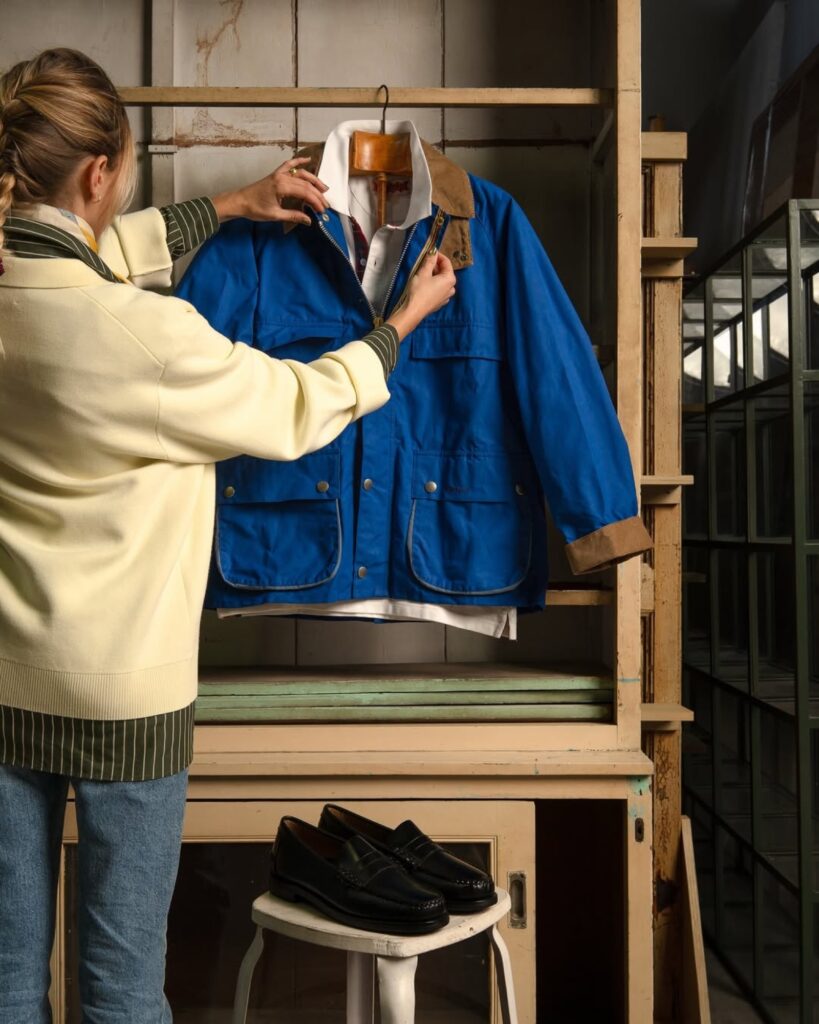
Over the years, your catalogs have become collectible coffee table books, thanks to their illustrations and photography. Why has it always been vital for WP to nurture the cultural aspect? Do you think there is still room for an analog narrative in the digital era?
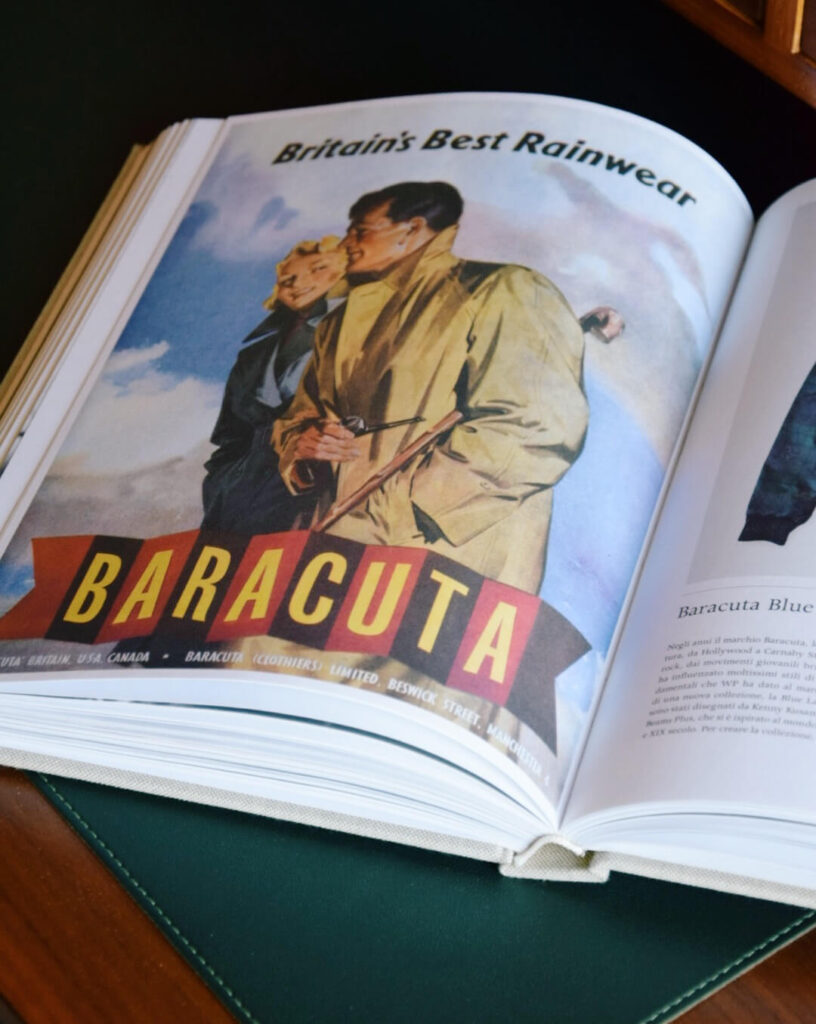
For us, simply selling products has never been enough. From the very beginning, we wanted to tell the story of a world, an attitude, a lifestyle. Our catalogs were designed as objects to be kept and treasured, meant to be browsed through multiple times, with the power of inspiring. Collaborating with select underground illustrators and curating the photography was part of the broader language we wanted to convey.
I believe that today, in the era of the algorithm, this type of narrative has gained even more value. In a sea of fast, “disposable” content, what is curated, thoughtful, and tangible stands out. People seek authenticity; they want to feel the true story behind a brand, the passion that lasts over time. Today more than ever, we deeply believe in this.
The identity of WP was shaped around music, photography, and design. What connects you to these fields, and how has this influenced the way you communicate?
I grew up surrounded by beauty. My personal and professional passions have always been blended together: WP was born exactly from this. My work is my passion. Music gave us rhythm—that ability to capture the vibrations of an era. Photography taught us how to look, how to find the right frame, the detail that tells the whole story. Design combined the value of function with beauty. When we communicate, we always try to hold these elements together: we want every expression of our brand, from the images in our catalogs to the physical stores, to convey that same harmony.
In 2012, the year of WP’s 30th anniversary, you acquired Baracuta. Beyond its historical prestige, what made you fall in love with this brand on a personal level, and how do you manage to preserve its soul while projecting it into the future?
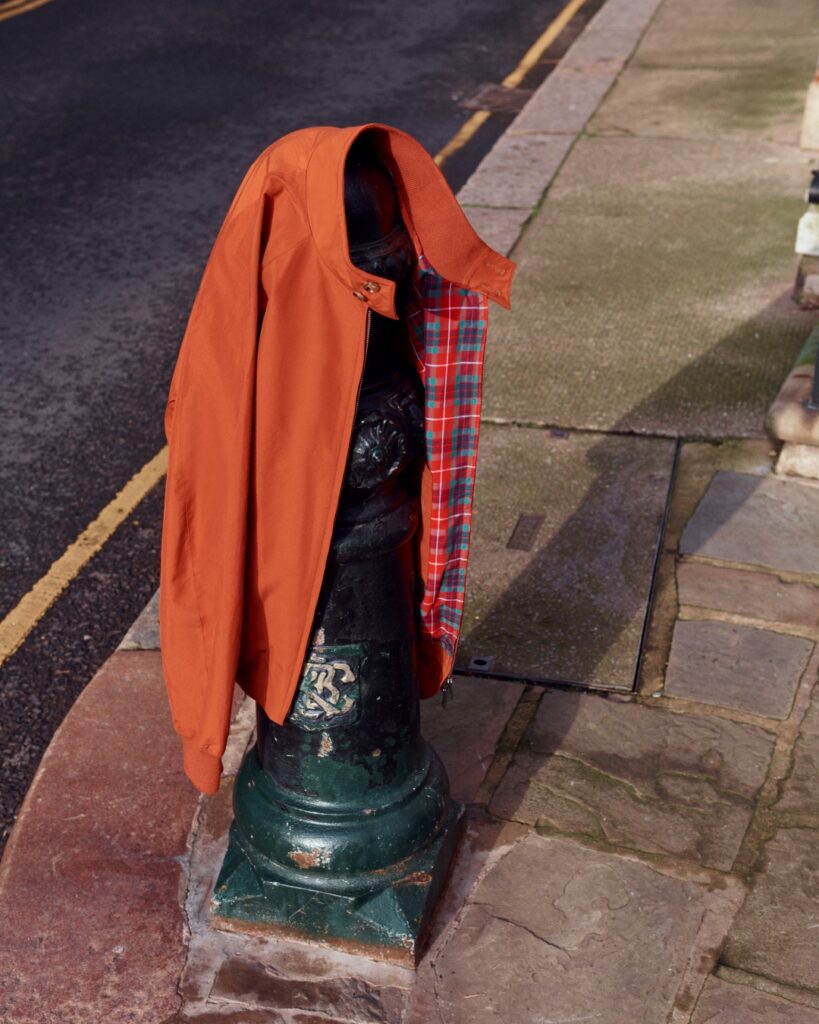
Baracuta felt like a very natural acquisition. The brand represented everything we believe in: authentic heritage, craftsmanship, and a timeless style that spanned generations and subcultures. The G9, the original Harrington, has been worn by Steve McQueen, the British Mods, and the kids of Northern Soul; it has an incredibly rich history.
On a personal level, its purity is what won me over. It is a garment that needs no explanation: you wear it, and it works. The challenge for us is to preserve this soul and DNA, keeping up with the times without losing its soul. Our approach is first and foremost respectful: we innovate the materials and create capsule collaborations, but the beacon remains its original spirit. As we often say: “Original since 1937, and still the one”.
Besides “collecting” iconic brands, you also love collecting objects, furniture, and home accessories. What do you look for in an object, and what makes it precious?
I look for the soul. To me, an object is precious when it has a story to tell; when its design was shaped by a function, it carries a beauty that withstands time. I am not interested in flashy or trendy things; I am attracted to what has been well-thought-out, carefully built, and has aged with dignity. I collect furniture, accessories, and pieces of industrial design. Every object I choose must be able to establish a visual and conceptual dialogue with the others, creating an environment that tells a story. We approach brands in the same way: we look for products that have substance, that last, and that improve with use. Their value lies in authenticity, in their power to spark emotion even after years of use.
Your archive gathers all the pieces collected during your explorations around the globe. Is there a particular garment that holds a significant value, and tells a story you specifically remember?
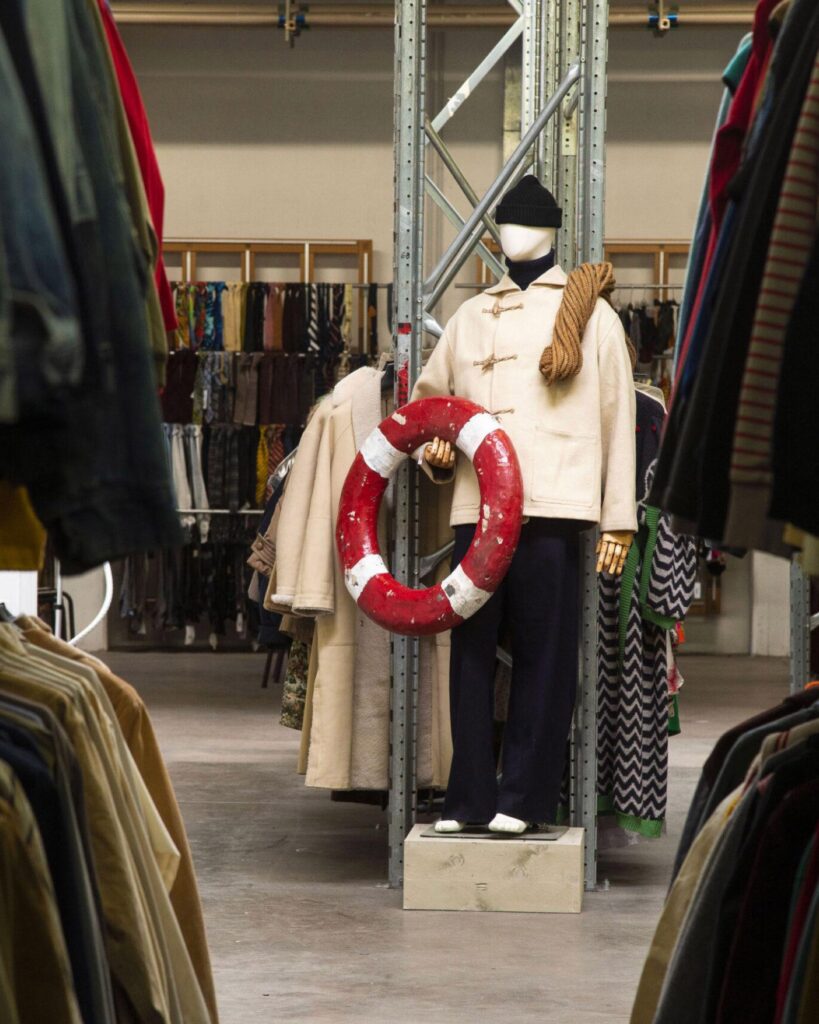
Our archive in Via dell’Arcoveggio, in Bologna, is a magical place: it holds nearly a hundred thousand pieces that recount four decades of exploration. It’s obviously very hard to choose just one; however, there is an original 1960s Baracuta G9 jacket that I cherish dearly. We found it during one of our trips to England, in a flea market near Manchester. It was a genuine time capsule—preserved in perfect condition, still showing its original label and with an immaculate Fraser tartan. When I picked it up, I felt the weight of the history it carried. That jacket became one of the benchmarks for our work on Baracuta: it reminds us where we came from and where we want to go.
Your passion for travel and design was the moving force behind the WP Relais project. How did you decide to enter the world of hospitality, and in what way do these spaces reflect the DNA of WP?
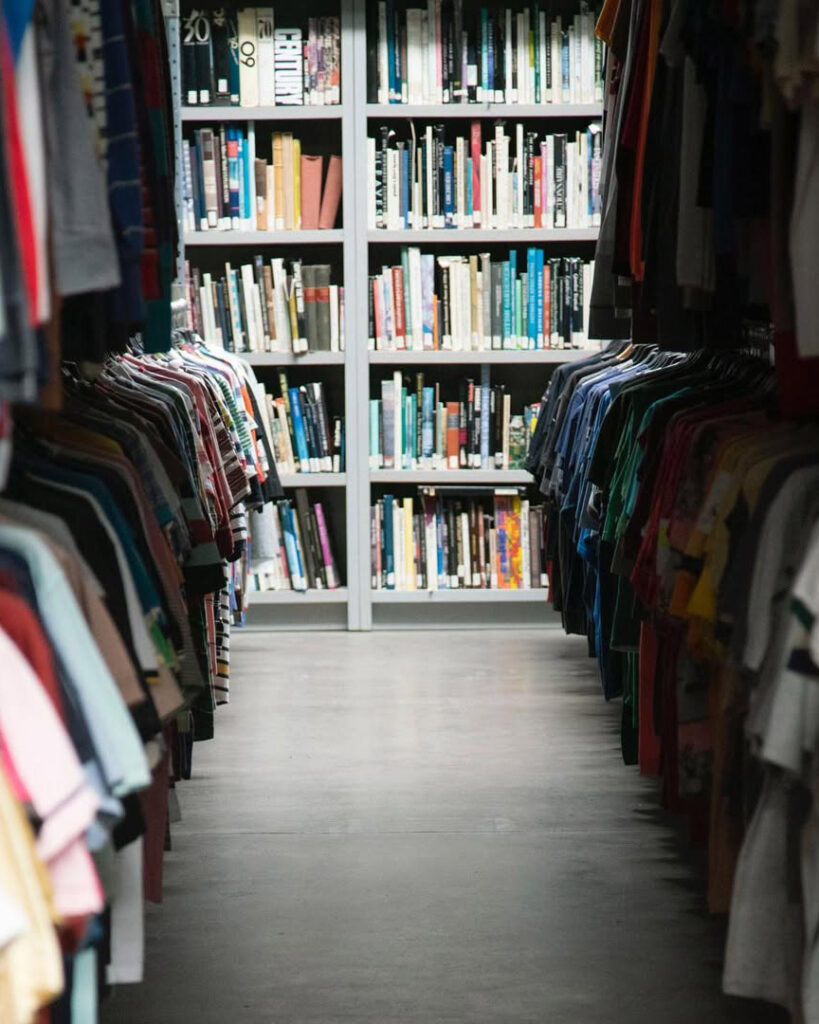
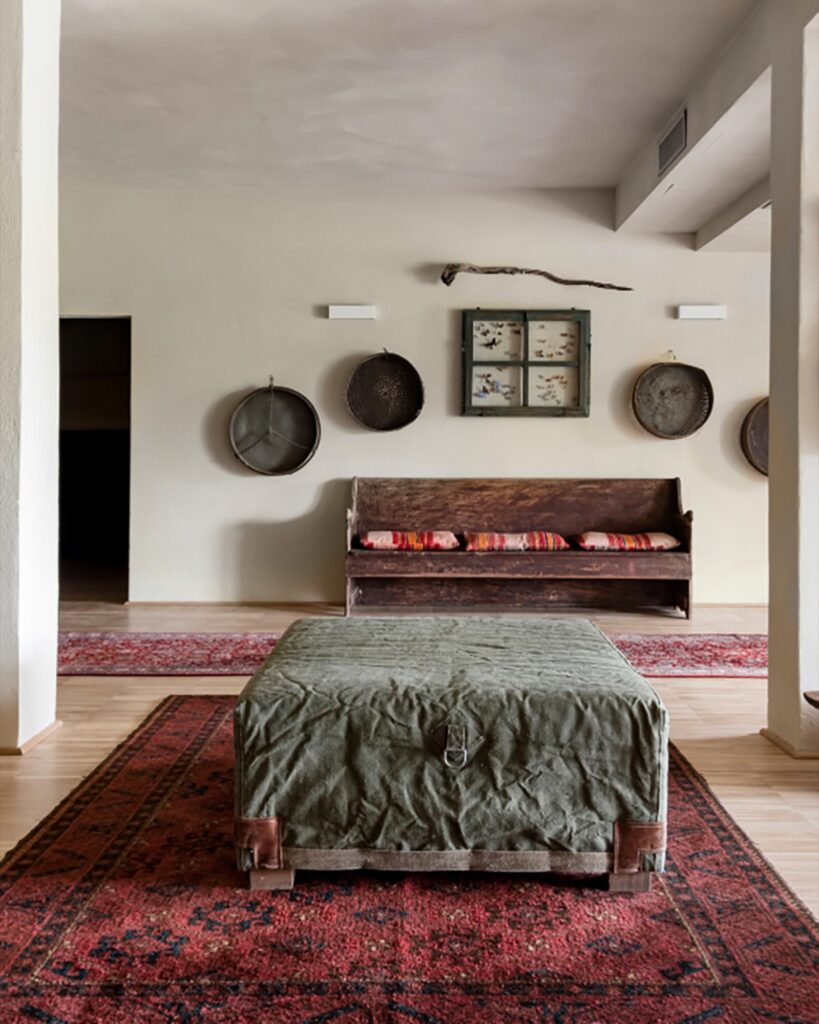
WP Relais was a natural extension of our passion for travel and well-designed spaces. We have a deep belief that style is not limited to what you wear, but extends to the way you live, the spaces you inhabit, and the experiences you choose. Our properties are designed to reflect the DNA of our brand: attention to detail, authentic materials, and an aesthetic that blends heritage with the contemporary. We personally select all furniture, design pieces, and home accessories. We want our guests—whether they check-in for a short or long stay—to live the experience of entering our world. It is a natural extension of everything we have always done and cherished.
After more than four decades of research, what thought still excites you daily? How do you keep alive the spirit that gives the company its name, to keep it always a “work in progress”?
Discovery. Every season can hold a surprise: a new brand, an unexpected collaboration, or a product you hadn’t foreseen. The beauty of this job is that it never stops and never ends; there is always something to look for, something to hunt, to understand, and to bring out into the world to share it with passionate people. Being Lavori in Corso, a “work in progress”, means exactly this: you should never feel like you have arrived. Keep your curiosity ignited, and continue to travel with your eyes open. It is the spirit that got us started and that we strive to convey. As long as this hunger for discovery exists, WP will continue to evolve while remaining true to itself.


